Trade area analysis helps businesses understand where customers come from, how they reach a location, and what factors influence demand. By using mobility, foot traffic, accessibility, competition, weather, and event signals, teams can improve site selection, demand forecasting, localized marketing, and operational planning.
Retail demand forecasting helps retailers predict future product demand across stores, channels, and time periods to improve inventory, replenishment, pricing, and margin decisions. By combining historical sales with mobility, visit intelligence, POI, and audience data, retailers can detect demand shifts earlier, improve forecast accuracy, and allocate inventory more precisely.
Demand planning and forecasting help businesses predict future demand and turn those predictions into inventory, production, staffing, and supply chain decisions. By combining historical data with real-world signals like mobility, traffic, place activity, and economic indicators, teams can improve forecast accuracy, reduce planning risk, and build more responsive supply chains.
Demand forecasting helps businesses estimate future customer demand to improve inventory, staffing, pricing, operations, and growth planning. By combining historical trends with real-world signals like mobility, visits, trade areas, events, weather, and location activity, teams can improve forecast accuracy, respond faster to demand shifts, and make more confident planning decisions.
Demand forecasting methods help businesses estimate future demand across inventory, operations, and growth planning. By combining qualitative, quantitative, causal, and AI-based approaches with real-world signals like mobility, visit behavior, POI context, and audience data, teams can improve forecast accuracy, detect demand shifts earlier, and make smarter planning decisions.
Corporate site selection helps businesses choose expansion, relocation, or optimization sites using real-world signals instead of static assumptions. By analyzing mobility, footfall, trade areas, competition, places, and audience data, companies can validate demand, compare locations, reduce investment risk, and make more confident site decisions.
A site selection strategy helps businesses choose stronger locations through a structured, data-driven process. By combining business goals, customer demand, mobility, footfall, trade areas, POI context, competition, and performance forecasting, teams can reduce expansion risk and make more confident location decisions.
Programmatic OOH advertising uses automation and real-world data to make out-of-home campaigns more flexible, targeted, and measurable. By combining movement patterns, location context, audience signals, and external conditions, advertisers can improve timing, placement, media efficiency, and real-world campaign performance.
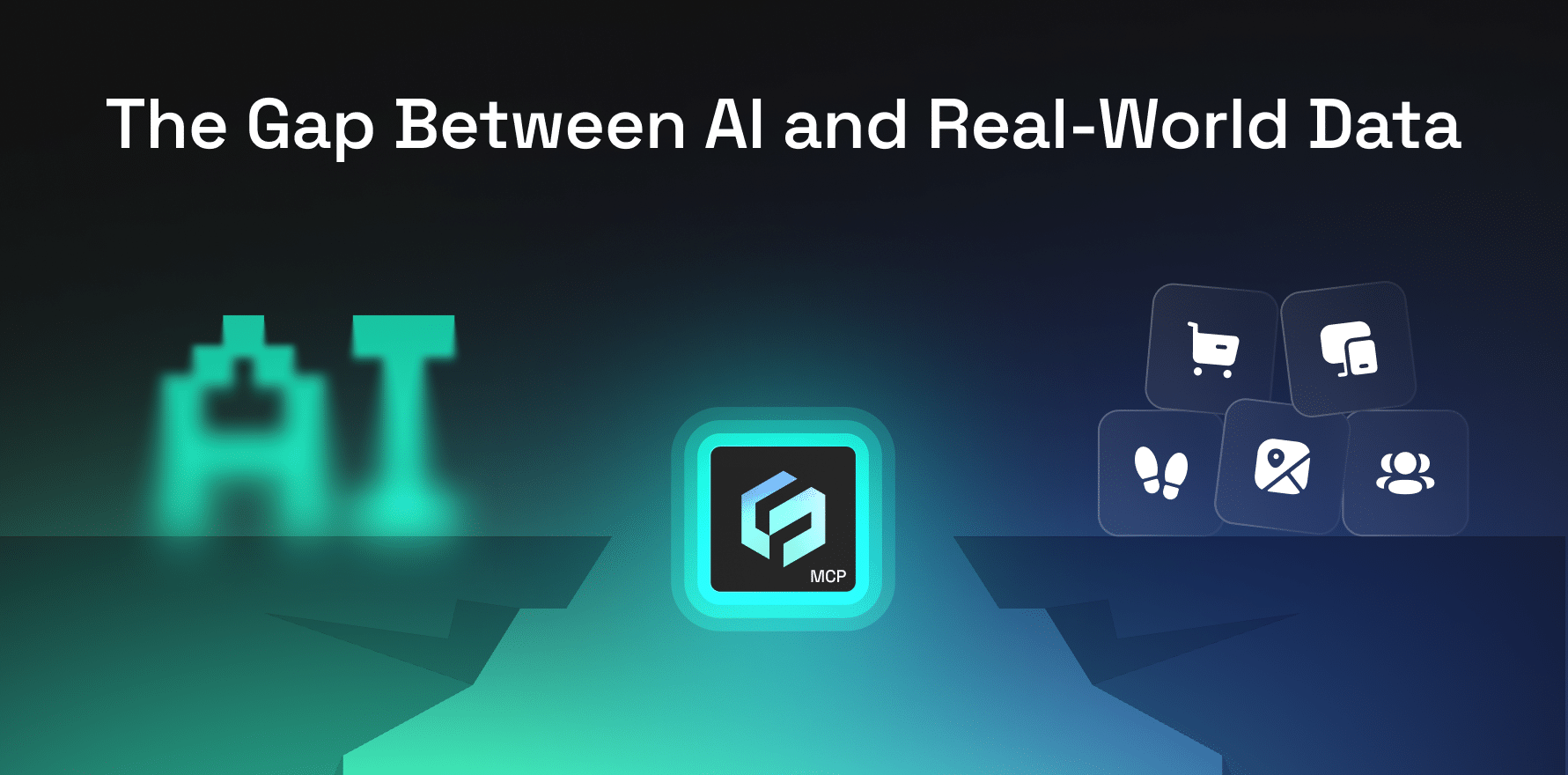
Factori MCP helps close the gap between AI and real-world data by connecting AI agents to current signals on people, places, movement, demand, competition, and market activity. This gives teams more relevant context for forecasting, marketing, expansion planning, and faster location-based decision-making.