Programmatic OOH advertising uses automation and real-world data to make out-of-home campaigns more flexible, targeted, and measurable. By combining movement patterns, location context, audience signals, and external conditions, advertisers can improve timing, placement, media efficiency, and real-world campaign performance.
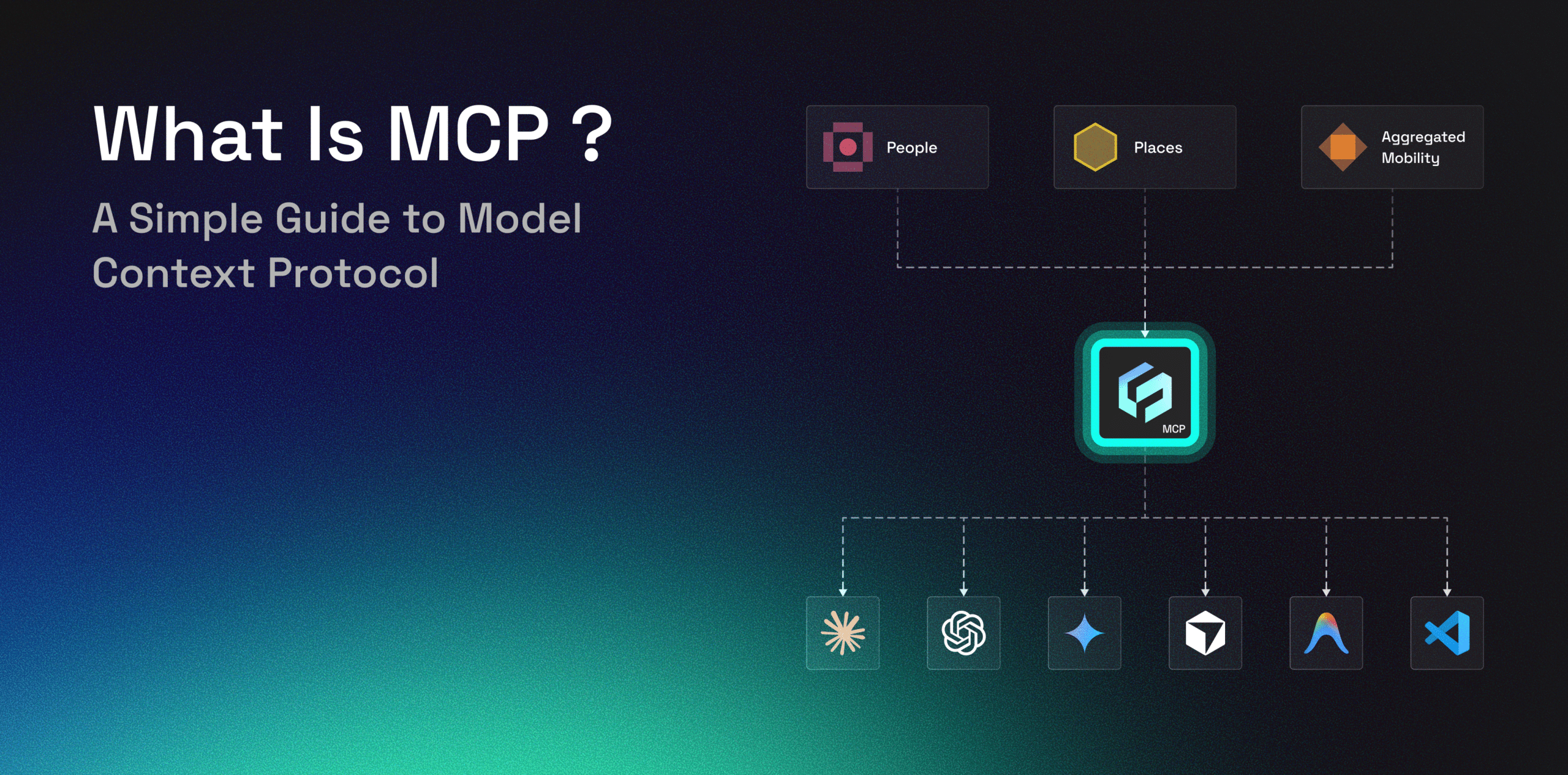
Factori MCP helps close the gap between AI and real-world data by connecting AI agents to current signals on people, places, movement, demand, competition, and market activity. This gives teams more relevant context for forecasting, marketing, expansion planning, and faster location-based decision-making.
Digital out-of-home advertising helps brands reach audiences through digital screens in high-traffic physical locations such as billboards, malls, airports, and transit systems. By using real-world movement, visit, POI, and audience data, brands can improve DOOH planning, placement, measurement, and campaign outcomes.
Factori MCP connects AI agents to real-world data on people, places, and movement, helping teams make decisions with current market context instead of static historical inputs. By making external signals accessible through AI workflows, businesses can improve forecasting, marketing, site selection, and location-sensitive decision-making.
OOH advertising helps brands build visibility across billboards, transit ads, street furniture, and digital screens in high-traffic physical locations. By using real-world movement, place, and visit data, brands can improve OOH site selection, reduce wasted exposure, measure real-world impact, and make campaigns more precise and accountable.
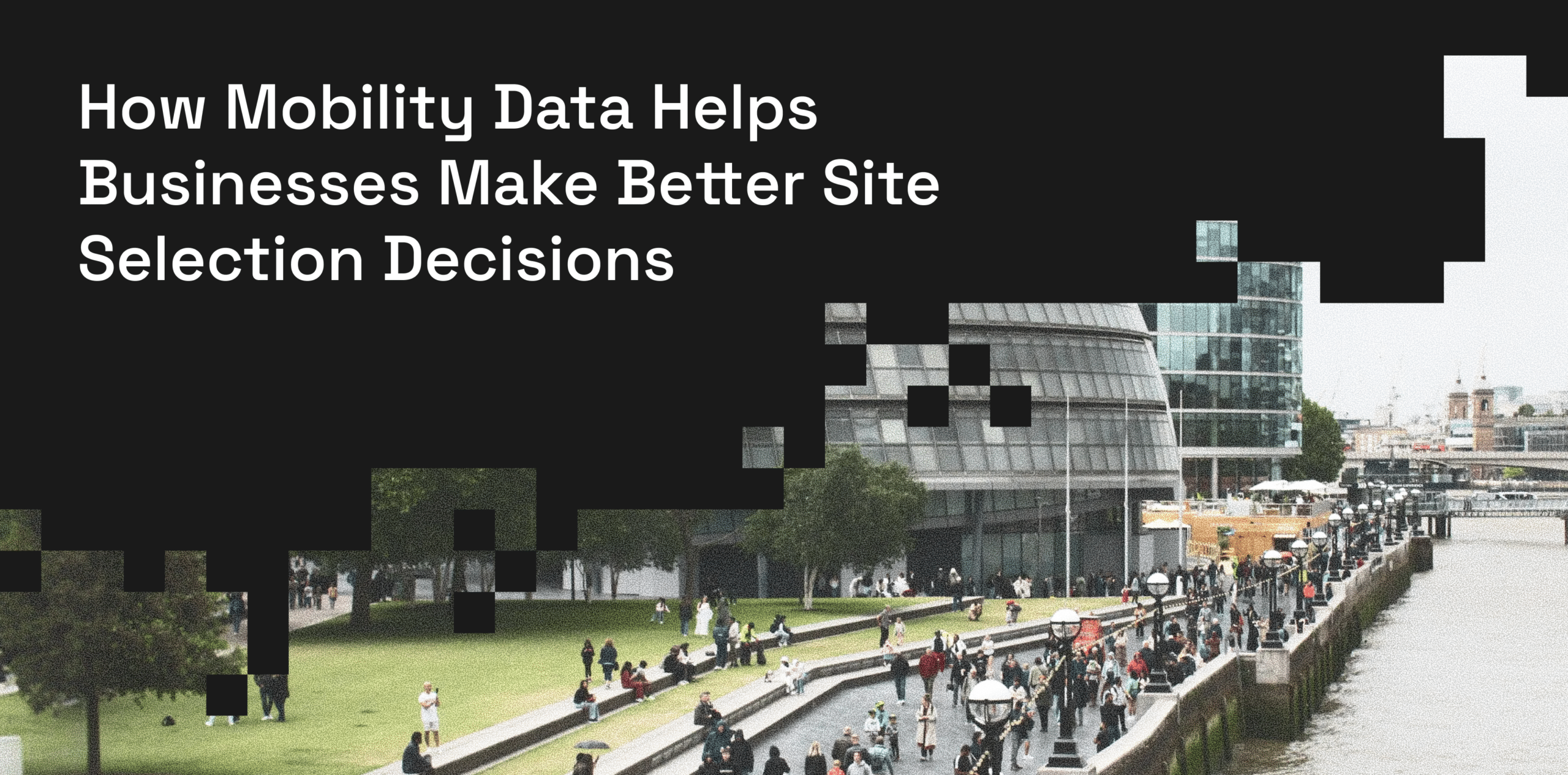
Site selection analysis helps businesses evaluate potential locations using demand, foot traffic, demographics, competition, accessibility, trade area, and commercial viability signals. By comparing sites with a structured, data-driven framework, businesses can reduce expansion risk, improve decision quality, and choose locations with stronger long-term performance potential.
Site selection and location strategy help businesses choose locations that support broader growth goals, not just short-term availability. By analyzing market demand, customer movement, trade areas, competition, accessibility, and network fit, businesses can reduce location risk and make more confident expansion decisions.
Business site selection helps companies choose stronger locations by aligning expansion goals with real market evidence. By defining clear criteria, analyzing trade areas, assessing competition, comparing candidate sites, and learning from existing locations, businesses can reduce location risk and make more confident growth decisions.
Offline attribution helps businesses measure how digital campaigns influence real-world actions like store visits, branch traffic, dealership visits, and in-person conversions. By using privacy-safe mobility data and visit lift analysis, marketers can connect media exposure to physical outcomes, measure incrementality, and optimize campaigns beyond clicks and online conversions.