Talk to the real world with Factori MCP - Get Started Now
Talk to the real world with Factori MCP - Get Started Now
Factori helps market research teams go beyond surveys and panels by layering real-world intelligence—movement, audience, spend, business landscape, and local economics into studies, sizing, and strategic insights.
Trusted by





Trusted by
Move beyond theoretical TAM estimates with real signals on demand, spend, and business presence.
Validate survey findings against privacy-safe, aggregated audience intelligence.
Understand how neighborhoods, trade areas, and regions truly differ—not just demographically, but behaviorally.
See which brands and business types dominate each market and how clusters evolve.
Identify shifts in interest, spending, and local conditions before they show up in lagging indicators.
Pair survey and panel data with external, real-world signals for stronger triangulation.

Standardize boundaries and rollups so results are comparable across markets and time.

Support insights with tangible market-level evidence—audience mix, retail trends, business density, and more.

Conventional market research methods often size categories on demographics and surveys alone.
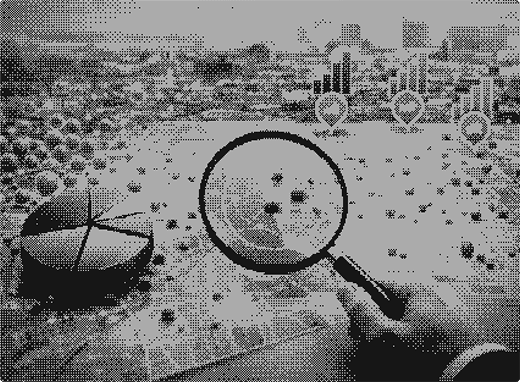
Audience intelligence, spend signals, and business landscape data help build a grounded view of where demand actually exists and which regions are worth prioritizing.
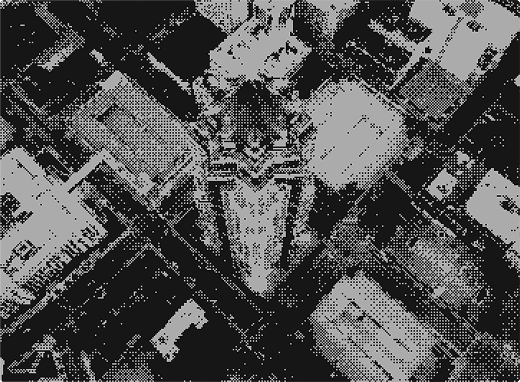

Adding real-world signals on interest trends, spend patterns and business presence shows what they actually do, making brand tracking and competitive benchmarking more complete and harder to dispute.

Location-based market research services go further when they combine footfall, audience mix and business clusters rather than proximity or demographics alone.

People, Economic and Retail data show how demographic and lifestyle differences shape category demand locally, making b2b market research and consumer studies sharper and more defensible.
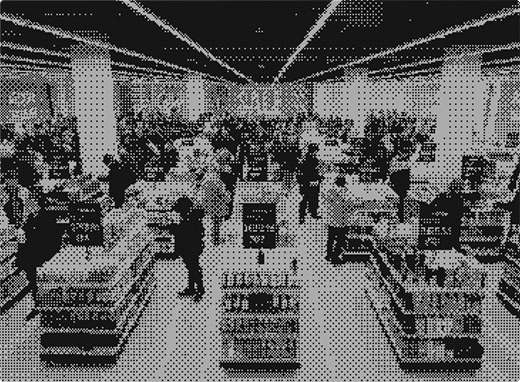
Cross-referencing segments with real-world audience data confirms whether the research population matches the market you're targeting.

Business density, audience concentration and demand signals together reveal where a category is underserved, not just where it's currently absent.

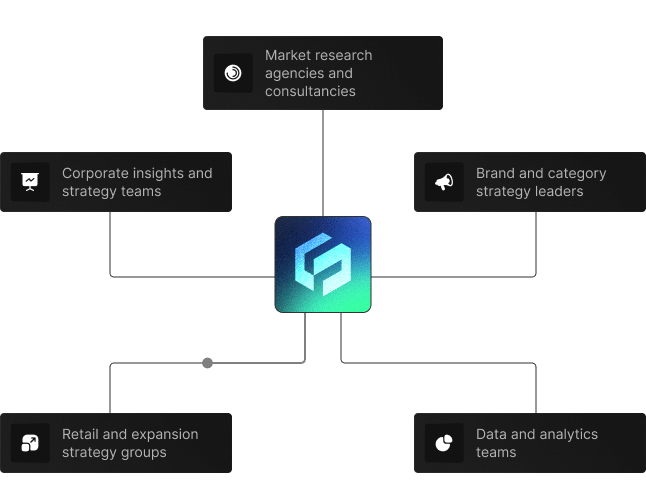
 Market research agencies and consultancies
 Corporate insights and strategy teams
=
 Brand and category strategy leadersRetail and expansion strategy groups
 Data and analytics teams supporting research and planning
Factori is built for responsible research use:
Market sizing, brand tracking, competitive mapping, or expansion analysis.

People, Retail, Market, Business, Geo, and others based on your scope.
Compare survey and panel findings with actual market behavior.
Turn research into strategy backed by real-world intelligence.
Factori helps market research teams generate deeper, more actionable insights by combining consumer, mobility, places, events, retail sales, market interest, economic, property, and geo data into explainable market intelligence.
Market research teams use Factori for consumer insights, audience profiling, competitive analysis, category research, market sizing, location intelligence, trend analysis, brand studies, and growth opportunity identification.
Factori helps researchers move beyond surveys and panels by adding observed, external market signals. This improves insight depth, validates hypotheses, explains behavior, and supports more confident strategic recommendations.
Factori data is available through CSV, APIs, platform access, or MCP-enabled workflows. It can connect to research dashboards, BI tools, survey results, panel data, GIS platforms, analytics notebooks, and client reporting workflows.
Factori delivers aggregated, privacy-safe, quality-checked datasets for responsible market research. Consumer, mobility, audience, and identity-related signals are structured to avoid individual-level exposure.
Products
Solutions By Use Case
By Use Case
By Industry
© 2026 Factori. All rights reserved.