Talk to the real world with Factori MCP - Get Started Now
Talk to the real world with Factori MCP - Get Started Now
Factori gives QSR and fast‑casual brands the real‑world data they’re missing, how people move, who lives nearby, what’s happening in the area, and how local markets are spending, so you can make better calls on forecasts, staffing, sites, and promos.
Trusted by





Trusted by
QSR is won and lost on small margins and short windows: the lunch rush, the game night, the storm, the new competitor across the street.
Most teams are still planning off:
Factori adds the outside‑in view, so you can:
Make short‑term forecasts that account for local traffic, events, and market shifts.

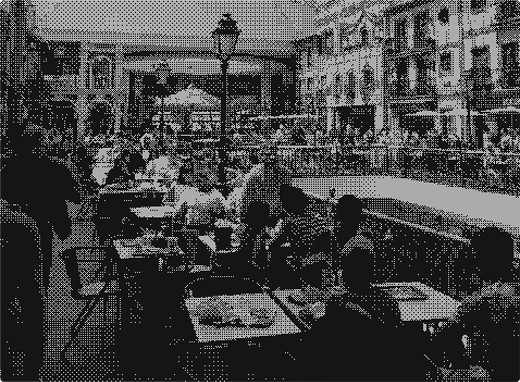
Align crew levels with real visit patterns, not just averages or “what we did last year.”

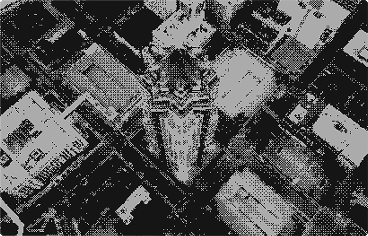
Decide where to open, relocate, or add new formats (drive‑thru only, smaller footprint, etc.).
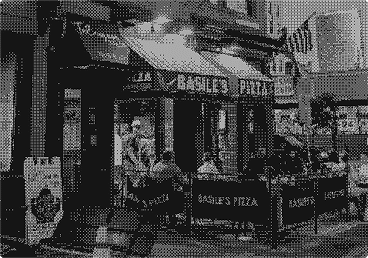
Staff and plan for the mix of dine‑in, drive‑thru, and delivery in each trade area.

Focus spend and offers on neighborhoods where demand and fit are strongest.
You bring POS, loyalty, and ops data. Factori brings the real‑world layer.



How many people are around each restaurant, when they come, and how that’s changing.


Competitors and complementary brands around each site; how dense or sparse the market really is.


Aggregated view of who lives and works nearby: families, workers, students, income bands.


Sports, concerts, festivals, school breaks, holidays—everything that drives spikes and dips.


Where search and commerce interest for your category and brand is rising or falling.
QSR stock planning falls apart when external demand drivers go unaccounted.
Mobility, events, and economic data help teams adjust daily and weekly forecasts by store so inventory prep reflects what's actually coming, not just what happened last quarter.
Opening the wrong QSR location is expensive and hard to undo.
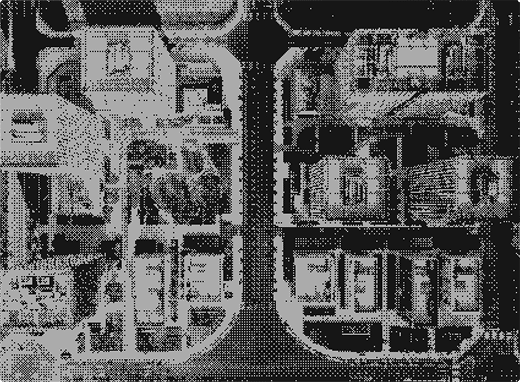
Places, Business, People, and Property data help teams score potential sites, avoid cannibalization, and decide where drive-thru, delivery-first, or smaller formats actually make sense.
Market and retail spend data help QSR brands pick the right launch markets, time promos to real demand windows, and align offers to the neighborhood profile, whether that's families, office workers, or students.

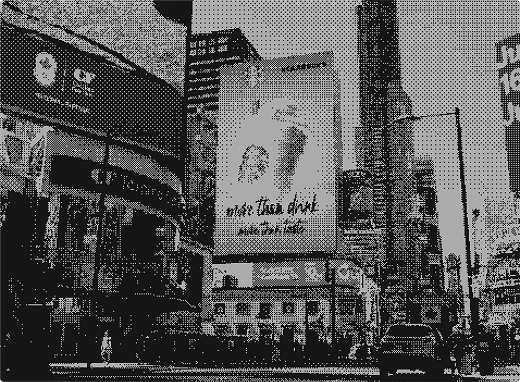
QSR scheduling and delivery planning both break down when surge windows catch teams off guard.
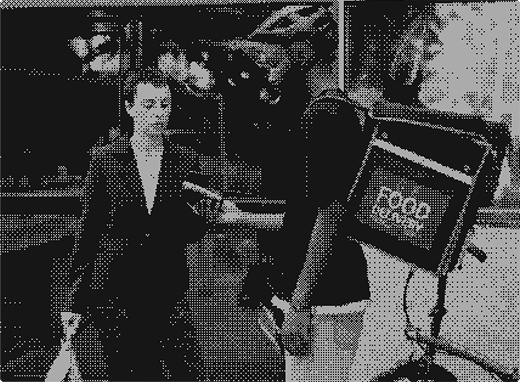
Traffic patterns, mobility data and local event calendars give ops teams the visibility to set realistic delivery promises and staff for spikes before they hit.
Which restaurants should get extra crew on game nights or concert days?
Where should we test our next format or concept first?
Where is category interest rising but we don’t yet have strong presence?
Which locations are underperforming given their footfall, competition, and local audience?
How should staffing and promo plans change in neighborhoods where economics are softening?
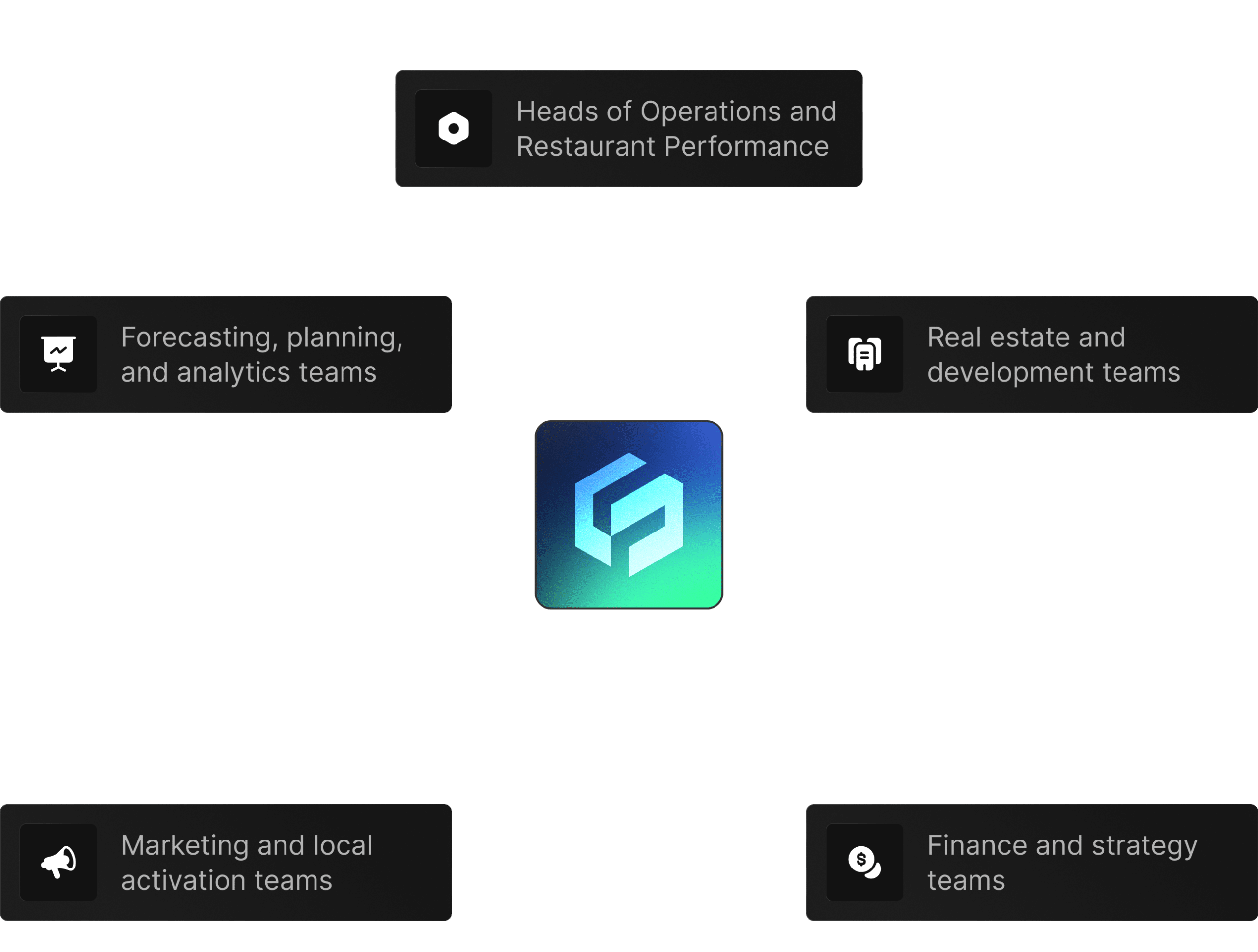
 Heads of Operations and Restaurant Performance
who need error down and trust up.
 Forecasting, planning, and analytics teams
Looking for clean, reliable visit data to plug into models and dashboards.
 Real estate and development teams
Looking for clean, reliable visit data to plug into models and dashboards.
 Marketing and local activation teams
Looking for clean, reliable visit data to plug into models and dashboards.
 Finance and strategy teams who sign off on expansion and budgets
Looking for clean, reliable visit data to plug into models and dashboards.
For example: forecast & labor accuracy, new site decisions, or local marketing for a region.

Common starting point for QSR: Mobility + Events + People + Business, then layer in Market or Retail Sales as needed.
Compare “current approach” vs “current + Factori data” on a set of restaurants, and review the impact on accuracy, staffing, and decisions.
QSR teams use Factori for store-level sales forecasting, footfall forecasting, drive-thru planning, delivery demand planning, crew scheduling, inventory prep, restaurant site selection, trade area analysis, campaign planning, and competitor benchmarking.
Factori helps QSR brands reduce forecast error, improve labor efficiency, reduce food waste and stockouts, identify stronger restaurant locations, plan around local demand spikes, and explain why store performance changes by market, daypart, or trade area.
Factori datasets can be delivered as raw CSV files, APIs, through the Factori platform, or through MCP-enabled workflows. Data can be joined to store IDs, trade areas, POS data, labor systems, inventory tools, BI dashboards, and forecasting models.
Factori delivers normalized, quality-checked, privacy-safe external data for aggregate planning and forecasting. Mobility and audience signals are designed to be non-personal and aggregated, supporting responsible QSR analytics without exposing individual-level behavior.
Factori helps QSR teams understand traffic patterns, local mobility, demand density, events, and trade-area behavior so they can plan drive-thru, pickup, and delivery operations more effectively.
Products
Solutions By Use Case
By Use Case
By Industry
© 2026 Factori. All rights reserved.