Talk to the real world with Factori MCP - Get Started Now
Talk to the real world with Factori MCP - Get Started Now
Trusted by





Trusted by
When you look at any store, depot, branch, clinic, or corridor, you see the full real‑world context in one place.

The backbone of the model.

Places

Business

Property
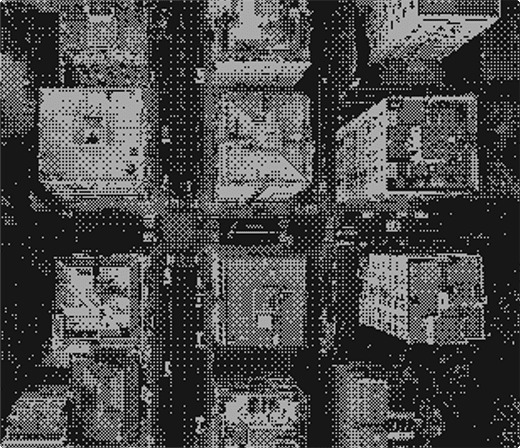
How people and activity flow through space and time.

Mobility

Events
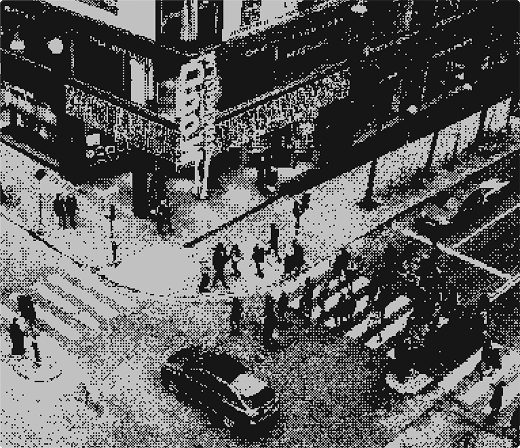
The people and economics behind each area.

People

Economic

Market
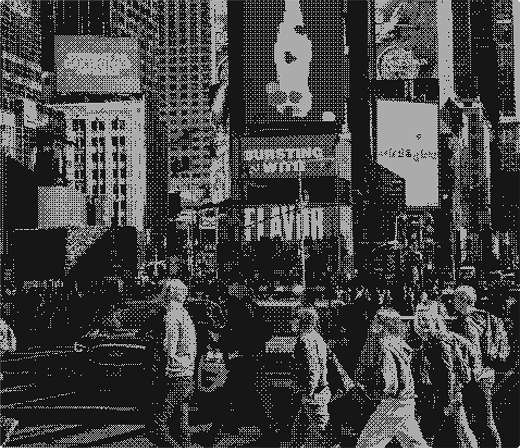
The demand and business side.
Retail
Business (plus your own performance data when you choose to bring it)
Each Factori product is one part of the same model:


How people move through the physical world—visits and patterns around stores, venues, and neighborhoods.


Clean, consistent details about stores, restaurants, venues, points of interest, and their surroundings.


Local events that move demand: concerts, sports, conferences, school calendars, public holidays, and more.


Retail sales indicators by market and category to show where spend is rising or softening.

Context on parcels and neighborhoods: land use, property types, and housing stress indicators.
The Real‑World Graph Model makes complex questions simple to answer, for example:

For each store, branch, or depot: what should we expect next week, given mobility, events, traffic, and local economics?
Which candidate sites truly look like our best performers once we factor in audience, movement, competition, and economics?
Where will demand shift if interest, spend, or movement patterns change in these corridors?
Which neighborhoods and corridors are the best fit for this campaign based on who’s there, where they move, and how they spend?
Which locations need staffing changes next weekend because of events, traffic, or demand shifts?
Where can we safely adjust prices or offers because demand and local conditions support it?
Give our models and copilots one consistent ‘real‑world layer’ so they can answer location‑aware questions out of the box.
The same structure supports forecasting, site selection, marketing, workforce, supply chain, and AI—without re‑designing data from scratch.

You’re not stitching together point solutions; you’re working from one shared representation of the physical world.

The model is built around aggregated, geo‑level signals—never individuals—so it fits enterprise privacy expectations.

As you build more models and assistants, they can all plug into the same, well‑understood “map of reality.”
Teams can ask richer questions earlier, instead of spending months cleaning and reconciling external data.
Start with a region, network, or set of locations you know well.

For example: Places + Mobility + People + Economic around your stores, branches, or depots.
Use the Real‑World Graph Model to answer concrete planning and forecasting questions, and decide where to scale from there.
It’s the real-world data model that connects places, people, events, business and signals into one consistent view of the physical world. Instead of working with separate datasets that don’t talk to each other, the Real-World Graph Model describes how all of these things relate, so your team can ask richer questions without spending months joining and reconciling data from scratch.
Most location intelligence is fragmented across separate vendors, mobility from one source, demographics from another and POI data from somewhere else.
The Real-World Graph Model structures all of it into four connected layers: Places & Property, Activity & Movement, People & Market Context and Retail & Business Outcomes. Everything is pre-aligned, so you’re working from one shared view of reality rather than stitching point solutions together every time a new use case comes up.
The real world graph model has four core layers:
Each Factori dataset maps into one or more of these layers.
Any decision that depends on understanding a location in context such as site selection, demand forecasting, inventory planning, workforce scheduling, marketing targeting, dynamic pricing and building AI models that need a reliable real-world context layer. The same structure supports all of these without re-designing the data for each use case.
Yes. The model is built around aggregated, geo-level signals and never individuals, so it fits enterprise privacy expectations out of the box.
You bring your own locations, routes, branches or depots. The Real-World Graph Model provides the external context layer that wraps around your data. Your models and teams sit on top, using the graph as a shared foundation, without needing to become graph or GIS experts to get value from it.
Products
Solutions By Use Case
By Use Case
By Industry
© 2026 Factori. All rights reserved.