Talk to the real world with Factori MCP - Get Started Now
Talk to the real world with Factori MCP - Get Started Now
Factori helps your team add real‑world context, movement, events, local economics, retail spend, and more into your existing demand models, so plans are less wrong and easier to trust.
Trusted by





Trusted by
Most forecasts are built on history and internal data alone. That works until something in the world changes.
Factori gives you external datasets that explain why demand moves:
Factori enriches daily and weekly retail demand forecasting with mobility signals, local events, and area spend data, giving stores, e-commerce and delivery zones a clearer picture of what's coming ahead always.

Staffing accurately means knowing when demand will rise before it does. Foot traffic patterns, local events, and economic shifts give QSR, retail, and depot teams the real-world context they need to build smarter staffing curves, beyond what historical data alone can tell you.
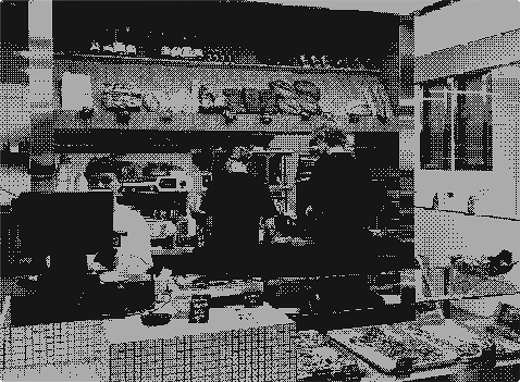
Mobility trends, local spend signals, and market shifts help teams make tighter inventory and replenishment calls, so safety stock is right-sized and stockouts in volatile or promo-heavy categories are less likely.

Real-world demand forecasting helps you separate what you drove from what was already happening, so you can measure impact honestly and plan future promotions with better data

Factori doesn’t replace your models. It feeds them with th.



How people move through the physical world—visits and patterns around stores, venues, and neighborhoods.


Clean, consistent details about stores, restaurants, venues, points of interest, and their surroundings.


Privacy‑safe consumer graph covering demographics, income bands, lifestyle and interest indicators.


Local events that move demand: concerts, sports, conferences, school calendars, public holidays, and more.


Retail sales indicators by market and category to show where spend is rising or softening.


Search and commerce signals: which brands, products, and categories are gaining attention across markets.
Keep your current demand engine, but feed it better inputs.
When you miss, see if events, traffic, or local economics were part of the story.
See which stores or regions react more to income, events, mobility, or promo.
Turn recurring patterns (“rainy Saturdays”, “concert nights”, “new competitor opens”) into simple rules the business can understand.
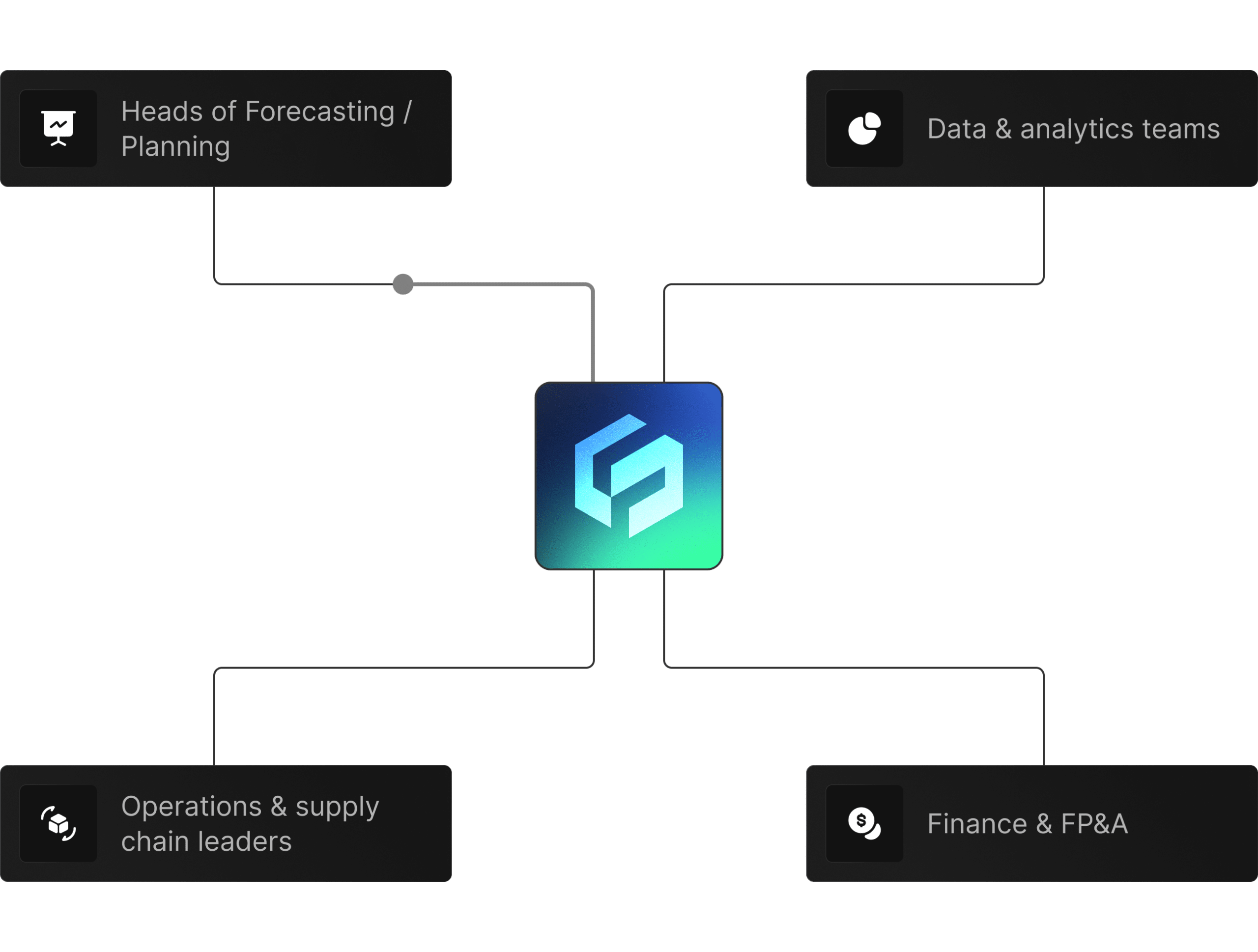
 Heads of Forecasting / Planning
who need error down and trust up.
 Data & analytics teams
who want clean external data without months of wrangling.
 Operations & supply chain leaders
who run staffing, stock, and service levels.
 Finance & FP&A
who need plans grounded in what’s really happening in markets.
50–200 locations or a few key regions, plus 1–2 KPIs (demand, labor, stockouts, etc.).

For example: Mobility + Events + Economic for QSR, or Retail Sales + Market + People for CPG.
Compare your current approach to “current + Factori data” and review the lift and explanations.
Demand forecasting is the process of predicting future sales, footfall, transactions, orders, inventory needs, or service demand using historical performance and external demand signals. Strong demand forecasts help teams plan inventory, labor, pricing, supply chain, marketing, and financial targets with greater confidence
Factori improves demand forecasting by adding real-world external signals such as mobility, events, weather, places, economic conditions, retail sales, market interest, property, and audience data. These signals help models explain why demand changes across locations, markets, and time periods.
Factori provides clean, ready-to-join, model-ready features built for enterprise forecasting teams. Instead of spending months sourcing, cleaning, and normalizing external data, teams can quickly enrich models with signals designed to reduce forecast error and improve explainability.
Businesses can test Factori signals against existing forecast models across stores, regions, SKUs, channels, or trade areas. By comparing baseline forecasts against Factori-enriched forecasts, teams can measure lift in accuracy, reduced MAPE or MAE, better spike detection, and stronger planning confidence.
Products
Solutions By Use Case
By Use Case
By Industry
© 2026 Factori. All rights reserved.