Talk to the real world with Factori MCP - Get Started Now
Talk to the real world with Factori MCP - Get Started Now
Factori helps supply chain and logistics teams use real‑world data—movement, traffic, events, economics, and demand signals—to design networks, plan capacity, and protect service levels.
Trusted by





Trusted by
Most plans assume the world is stable: demand follows history, roads behave, and markets grow evenly. In reality:
Factori gives you a clear, outside‑in view of every route, depot, and service area so you can:
Good supply chain network optimization starts with putting capacity in the right places.
Real demand trends, population growth, and economic signals help teams decide where to open, resize, or close nodes based on where demand is actually heading, not just where it has been.
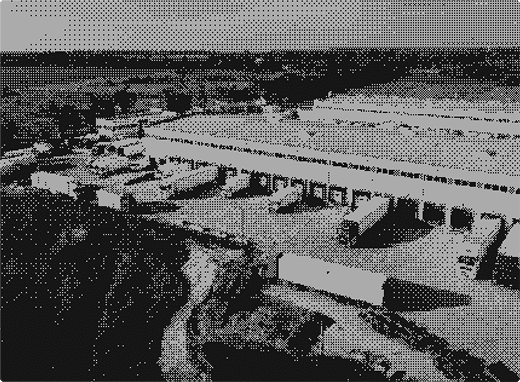
Supply chain optimization consulting often surfaces the same issue i.e route plans built on assumptions that no longer hold.
Traffic patterns, mobility data, and event calendars give teams a more accurate view of congestion and corridor risk, so transit assumptions are grounded in how roads actually behave.

Effective supply chain optimization services go beyond internal forecasts. Adding local demand signals, retail spend trends and economic data helps teams plan labor, fleet and line haul capacity around what's genuinely coming, not just what last year's volume suggests.
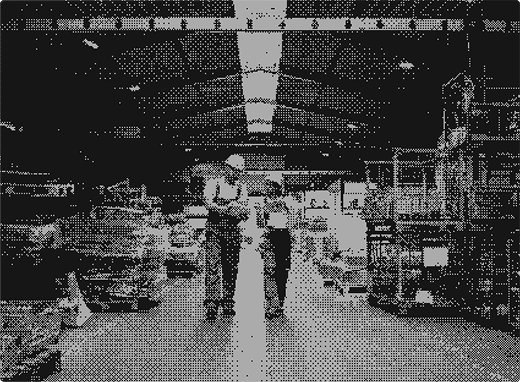
Supply chain optimization at the delivery end means knowing which areas are structurally difficult before they become a problem.
Traffic density, mobility patterns, and local event data help identify high-risk zones and time windows so ETAs and SLAs can be set and protected more reliably.

Real-world demand signals, population data, and area spend trends help teams see which parts of the network can be pooled or tightened without hurting service levels.

You keep your WMS, TMS, and planning tools. Factori adds the real‑world layer they’re missing.
You choose the mix. We make the data simple, consistent, and aligned to your locations and zones.

Combine Retail Sales, Economic, People, and Places to identify where capacity should sit over the next few years.
Use Traffic, Mobility, and Events to set realistic transit assumptions and build more robust plans.
Pair volume forecasts with local demand and events so inbound/outbound staffing matches reality.
Flag high‑risk zones and time windows so you can add buffers, change promises, or adjust routing.
Use Real‑world data to decide how much capacity each channel (store, e‑com, marketplace, B2B) needs by region.
Which lanes and service areas are structurally high‑risk for delays?
Where should we add or remove capacity for next season?
How will events or local economic changes affect volume in specific regions?
Are our depots and hubs in the right places for where demand is going, not just where it has been?
How can we adjust ETAs and promises by area to reduce missed deliveries and penalties?
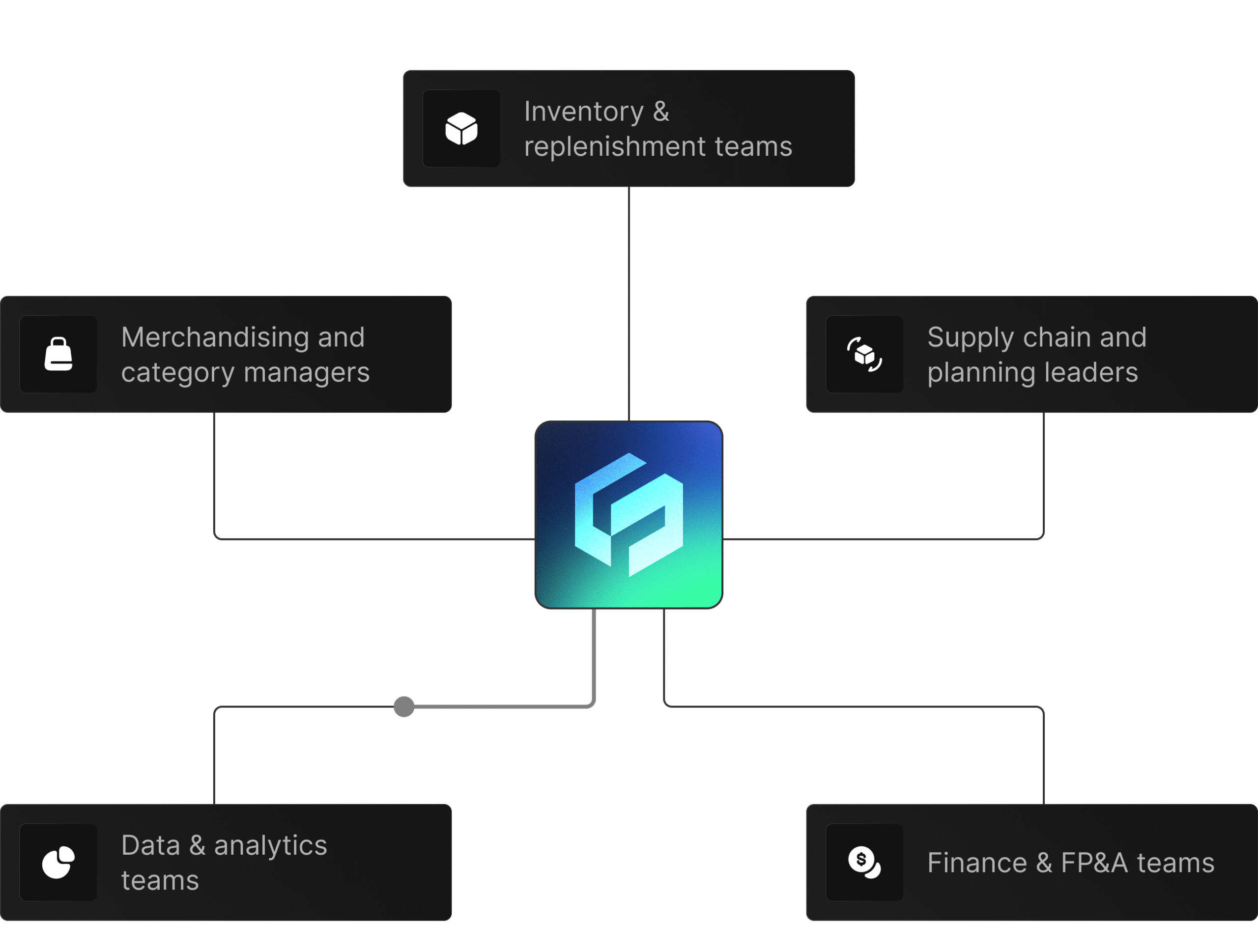
 Supply chain and logistics leaders
 Network design and optimization teams
 Transportation and linehaul planners
 Last‑mile and delivery operations
 Inventory and S&OP teams
 Data & analytics teams supporting planning and performance
Choose a region, network segment, or lane group where performance or cost is a concern.

For example: Traffic + Events + Mobility for last‑mile, or Retail Sales + Economic + People for network and capacity planning.
Compare current plans with “plans informed by Factori data,” and identify specific route changes, node decisions, or capacity moves.
Supply chain optimization is the process of improving how goods, inventory, capacity, routes, facilities, and service levels are planned across suppliers, warehouses, depots, stores, delivery zones, and customers.
Factori helps supply chain teams plan with real-world signals such as traffic, mobility, weather, events, economic activity, business density, demand shifts, and local market conditions. These signals support better network, route, capacity, and replenishment decisions.
Factori gives supply chain teams outside-in context that internal shipment or volume history may miss. It helps teams understand where demand is growing, where routes may face pressure, and where depots or service areas need adjustment.
Logistics teams can use Factori to improve demand sensing, route planning, depot placement, delivery-zone design, and disruption planning. By connecting external signals to lanes, routes, depots, and service areas, teams can improve SLA performance and cost-to-serve.
Products
Solutions By Use Case
By Use Case
By Industry
© 2026 Factori. All rights reserved.