Financial firms rely on data to understand markets, assess risk, and make investment decisions. Traditional sources such as earnings reports, financial statements, and industry surveys still matter. However, they often explain what has already happened.
Alternative data for finance industry adds a more current view. It can help hedge funds, asset managers, lenders, and private equity firms track consumer behavior, company activity, and market shifts before those changes appear in standard reports.
What Is Alternative Data?
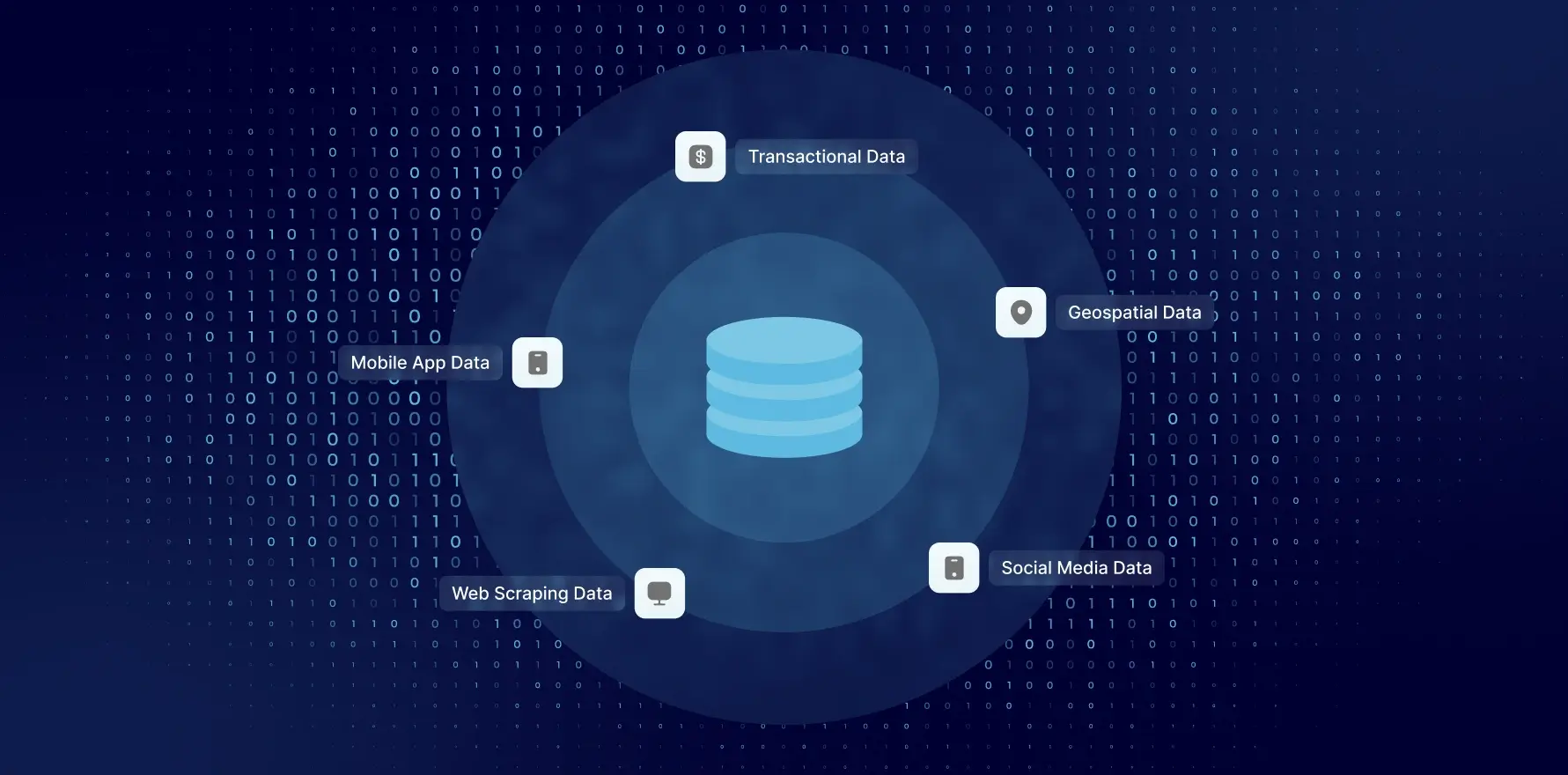
Alternative data refers to datasets collected from nontraditional sources. These sources can include credit card activity, satellite images, location signals, websites, social platforms, and mobile apps.
In financial services, alternative data helps firms study what may be happening between official reporting periods. For example, spending trends may suggest a change in retail demand before a company publishes quarterly results. Shipping activity may also show pressure in a supply chain before it affects earnings.
Alternative data does not replace financial statements or government data. It adds another layer of evidence.
Alternative Data vs. Traditional Data
Traditional and alternative data answer different questions. Traditional data confirms reported performance. Alternative data can reveal current activity and early changes.
| Area | Traditional Data | Alternative Data |
| Common sources | Earnings reports, filings, surveys, government data | Transactions, satellite images, websites, apps, location signals |
| Update cycle | Often monthly, quarterly, or annually | Can be daily, weekly, or near real time |
| Main purpose | Review past performance | Track current activity and spot early signals |
| Format | Usually structured | Can be structured or unstructured |
| Main challenge | May arrive after conditions change | Can be harder to validate and integrate |
Visual suggestion: Show traditional and alternative data combining into one market view.
Types of Alternative Data Used in Finance
Transactional Data
Transactional data includes aggregated credit and debit card activity. It can show changes in consumer spending across brands, sectors, and regions.
Hedge funds and asset managers may use transaction data to estimate sales direction, compare brand performance, or track demand before earnings reports are released.
Geospatial Data
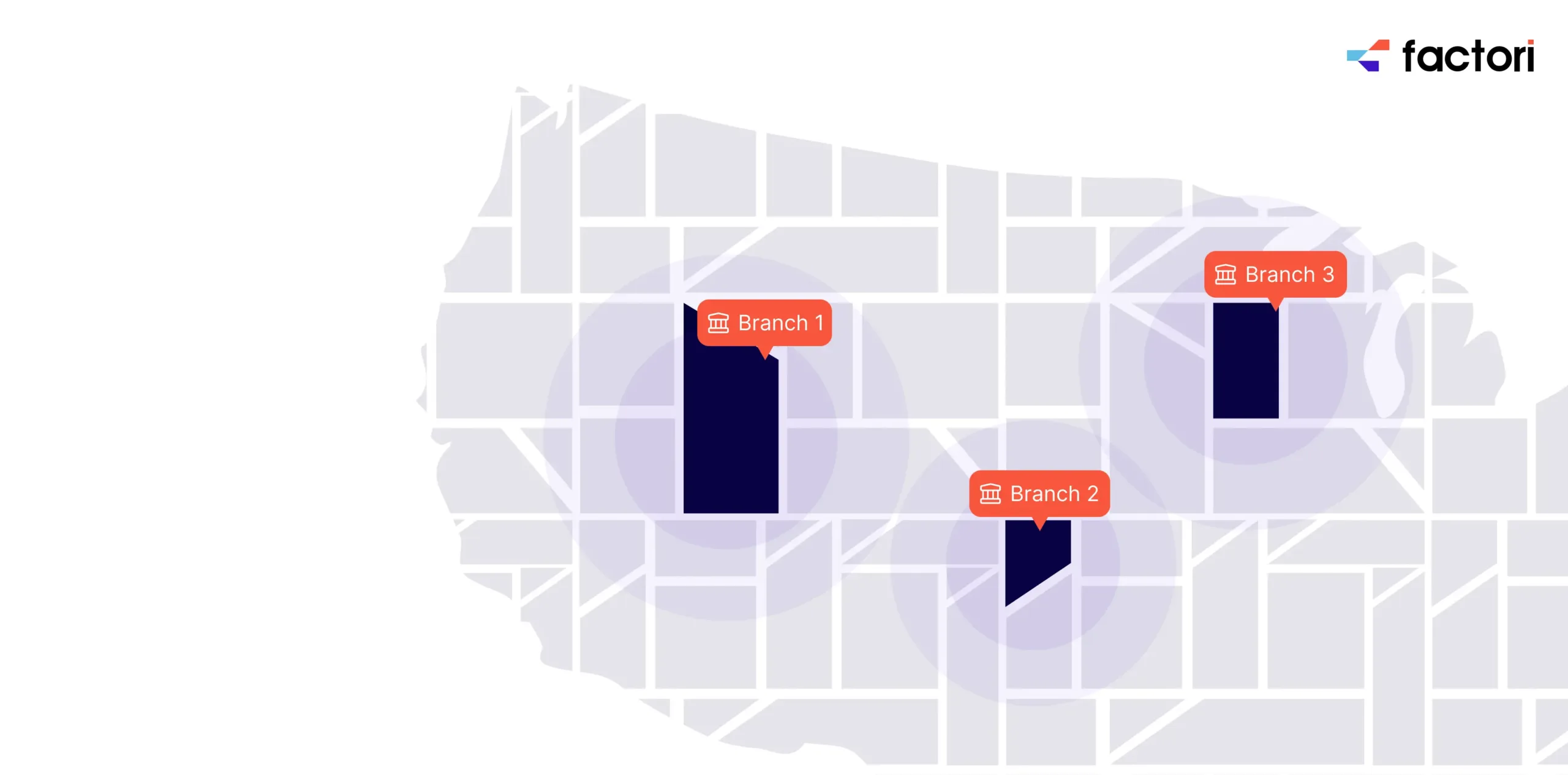
Geospatial data connects activity to a physical place. It may include satellite images, store visits, parking lot activity, ship movements, or activity around factories and warehouses.
Investors can use these signals to study store performance, production levels, supply chain health, and regional demand.
Social Media Data
Social media data can show public sentiment, brand engagement, customer reactions, and emerging topics. Analysts may use it to understand how people respond to a company, product launch, or market event.
These fast-changing signals should be tested and used with other sources.
Web Data
Web data comes from publicly available online sources. It can include prices, customer reviews, job listings, product availability, and website activity.
Financial firms may use this information to monitor pricing, compare products, study competitors, or assess changes in market position.
Mobile App Data
Mobile app data may include downloads, usage, and engagement. It is often relevant to technology investors and venture capital firms that need to understand adoption and customer activity.
App trends can help analysts compare digital businesses and monitor category growth.
Why Is Alternative Data Important in Finance?
It Can Reveal Earlier Signals
Company reports are released on a fixed schedule. Consumer demand, app usage, shipping activity, and store visits can change much faster.
Alternative data can help analysts notice those changes earlier. This gives them more time to review forecasts and risks.
It Adds Context to Reported Results
A company may report strong revenue, but the result alone may not explain why it grew. Alternative data can help analysts study whether the change came from higher spending, stronger store traffic, new customers, pricing, or regional demand.
This context makes the analysis more complete.
It Can Improve Forecasting
Alternative data gives forecasting models more signals to work with. It can support estimates for sales, demand, customer activity, and operational risk.
More data does not always produce a better forecast. The dataset must be relevant, accurate, consistent, and correctly joined to the model.
Key Financial Use Cases
Hedge Fund Strategies
Hedge funds use alternative data to look for signals that may not yet appear in public reports. Transaction trends, parking lot activity, and shipping data may help them assess whether a company is gaining or losing demand.
Equity Research and Forecasting
Equity analysts can compare web traffic, social media interest, store activity, spending trends, and shipping patterns with company guidance. This can help them build a more informed view before quarterly results are released.
Credit Risk Assessment
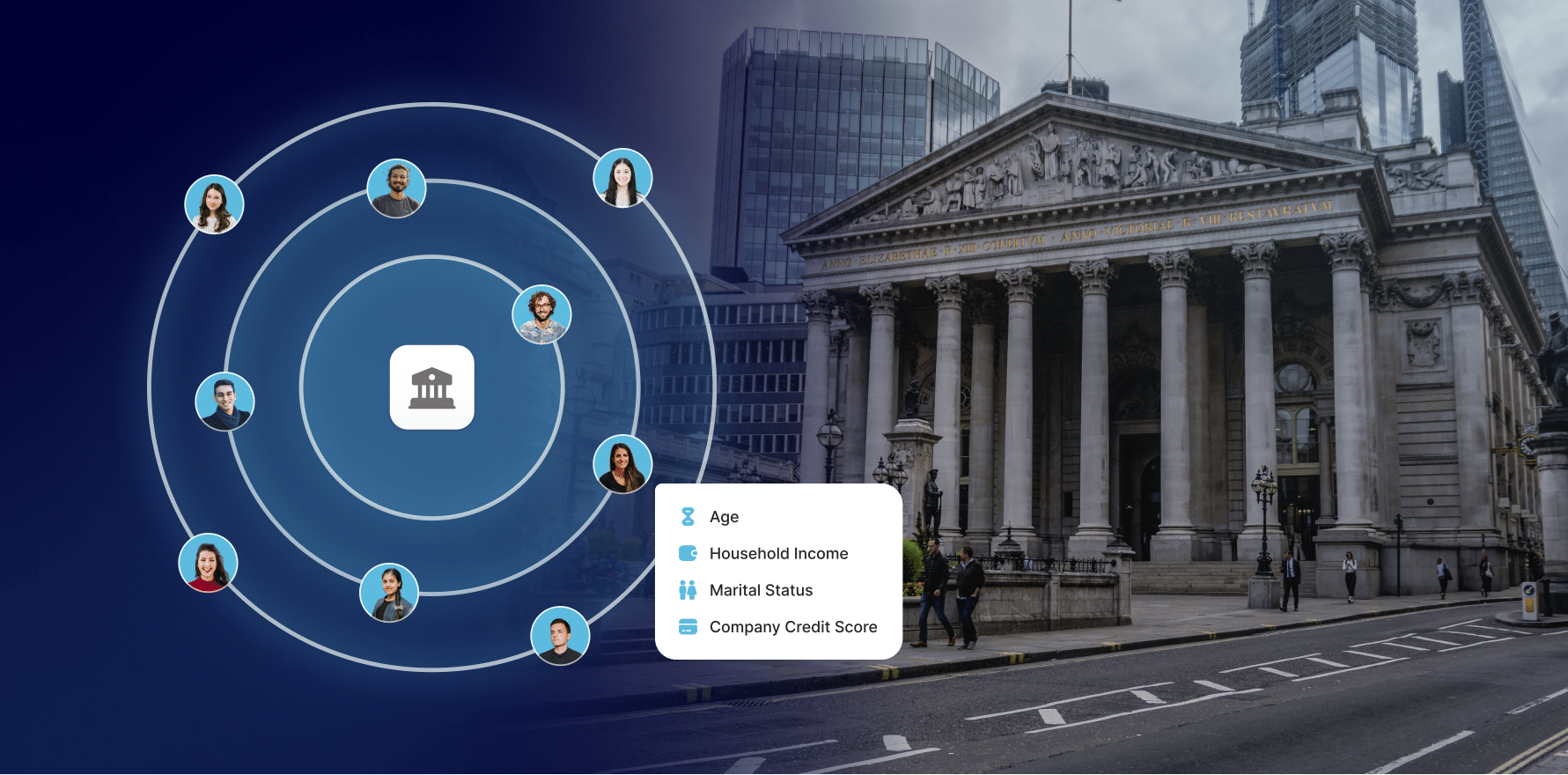
Lenders may use nontraditional signals to add context to credit models. These may include transaction behavior, employment information, public web activity, and wider economic conditions.
Because these signals can be sensitive, firms need strong privacy, fairness, and compliance controls. Factori’s economic data can help enrich models with macroeconomic indicators and consumer spending signals.
Private Equity Due Diligence
Private equity firms can use alternative data to study a business before an acquisition. Transaction data, web data, and location signals may help them assess customer demand, site performance, pricing, competitors, and supply chain conditions.
This evidence can strengthen or challenge information shared during due diligence.
Supply Chain Monitoring
Supply chain problems can affect production, sales, and profit. Financial institutions may use satellite images, IoT signals, and shipping data to monitor ports, factories, warehouses, and transport routes.
These signals can help teams identify delays or bottlenecks before they appear in reported results.
Challenges of Using Alternative Data
Data Integration
Alternative datasets often use different formats, dates, locations, and identifiers. Firms need a clear process for joining them with internal data and traditional financial sources.
Poor joins can create false patterns. Teams should confirm that time periods, company names, locations, and measurement methods are aligned before using the results.
Data Quality and Reliability
A dataset may contain missing records, old information, or uneven coverage. Financial firms should understand how the data is collected, how often it is refreshed, and where its limits are.
Providers should explain how errors are found and corrected. Firms should test the data before using it in a decision.
Privacy and Regulatory Concerns
Transaction, location, and digital activity data can be sensitive. Financial firms must review how the data was collected, processed, shared, and permitted for use.
Where possible, firms should use aggregated, anonymized, or privacy-safe signals. Providers should explain how their practices are designed to support major privacy requirements such as GDPR and CCPA.
How to Choose an Alternative Data Provider
The largest dataset is not always the most useful. The choice should start with the business question.
Review these five areas:
- Data quality: Check accuracy, completeness, freshness, and known gaps.
- Coverage: Confirm the regions, companies, sectors, and time periods included.
- Privacy: Review collection methods, usage rights, aggregation, and sensitive-data controls.
- Integration: Check whether the data is available through APIs, cloud storage, bulk files, or marketplaces.
- Scalability: Confirm that the provider can support larger volumes, more markets, and frequent updates.
A sample or pilot can show whether the data improves a model before a larger commitment.
The Future of Alternative Data in Finance
Alternative data will become easier to process as artificial intelligence and machine learning tools improve. These tools can help firms combine large datasets, detect patterns, and test more signals.
Access is also becoming simpler through APIs, cloud platforms, and data marketplaces. Strong quality, governance, and privacy controls will still be essential.
How Factori Supports Financial Data Teams
Factori provides geospatial, economic, consumer, and business data for financial use cases. These datasets can help teams enrich research, forecasting, due diligence, and risk models with signals from the physical and digital world.
Final Thoughts
Alternative data gives financial firms a more current view of companies, consumers, markets, and supply chains. It can support investment research, equity forecasting, credit risk assessment, private equity due diligence, and supply chain monitoring.
The strongest approach is to combine alternative data with trusted financial information. Firms should begin with a clear business question, test the dataset, understand its limits, and measure whether it improves the final decision.