Trusted by





Trusted by
Concerts, sports games, festivals, conferences, local celebrations, school breaks, public holidays and more.
High‑level event types (family, nightlife, business, sports, culture, etc.) so you know which events matter for your brand.

Simple indicators of expected impact (small / medium / large) and relevance to nearby locations.

Which stores, branches, hotels or depots sit inside each event’s “impact zone” and time window.
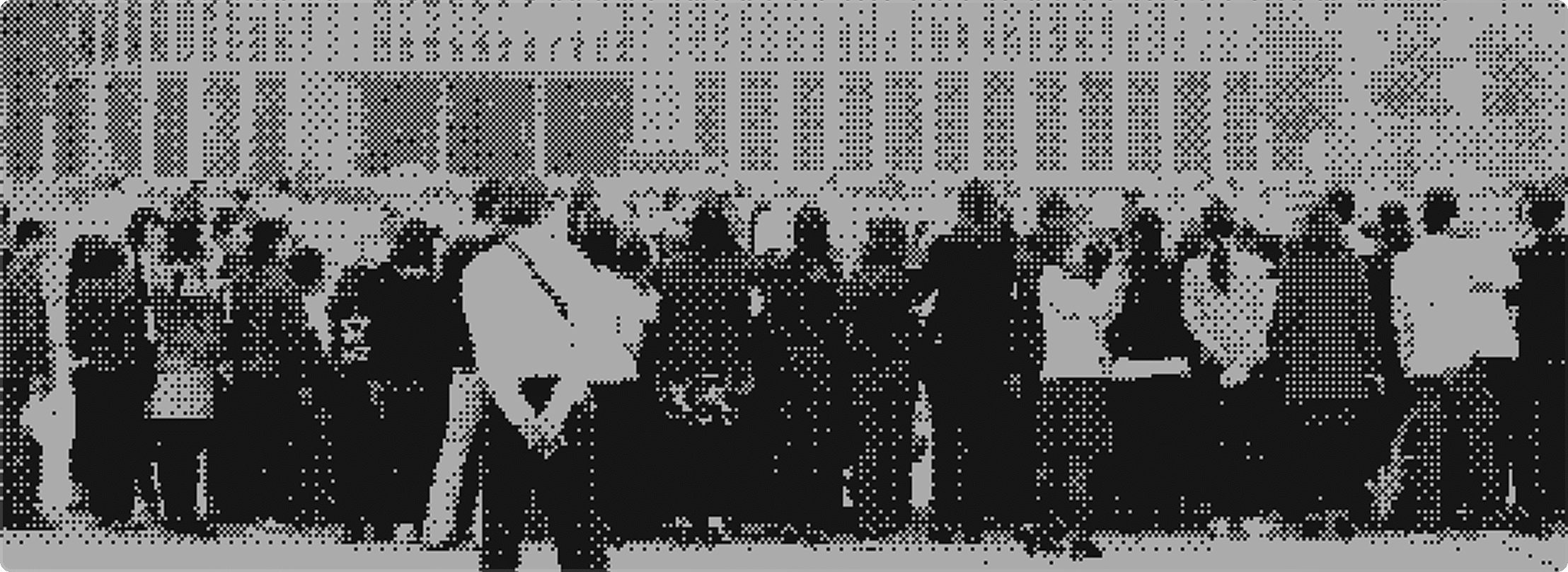
See event calendars and likely impact in advance, so you’re ready with staff, stock and offers.
When a location is way up or down vs. plan, quickly check whether events were the driver.
Give central teams and field teams a shared, structured view of what’s happening in every market.
Help operations, marketing, and finance make decisions from the same event picture.
Add event context to short‑term demand and labor forecasts so big nights (and quiet ones) aren’t a surprise.
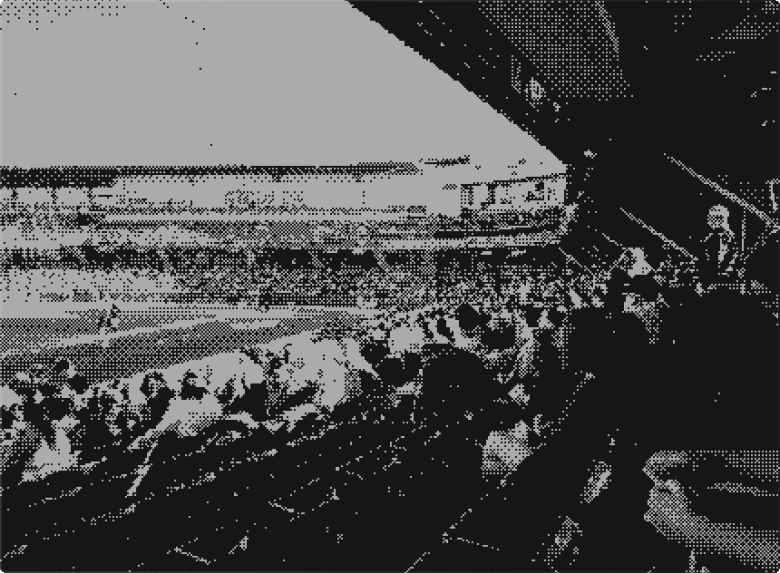
Evaluate sites by the kind of events that happen nearby and how often they draw crowds.
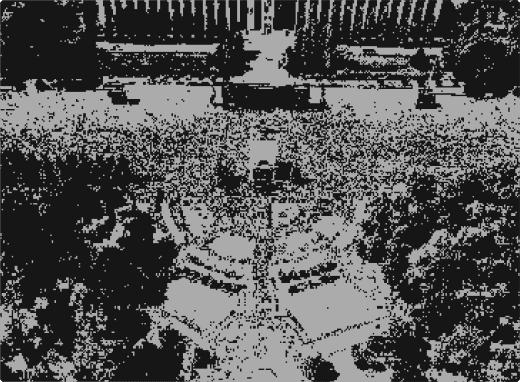
Plan inventory and product mix around event types (family, sports, business) and timing.
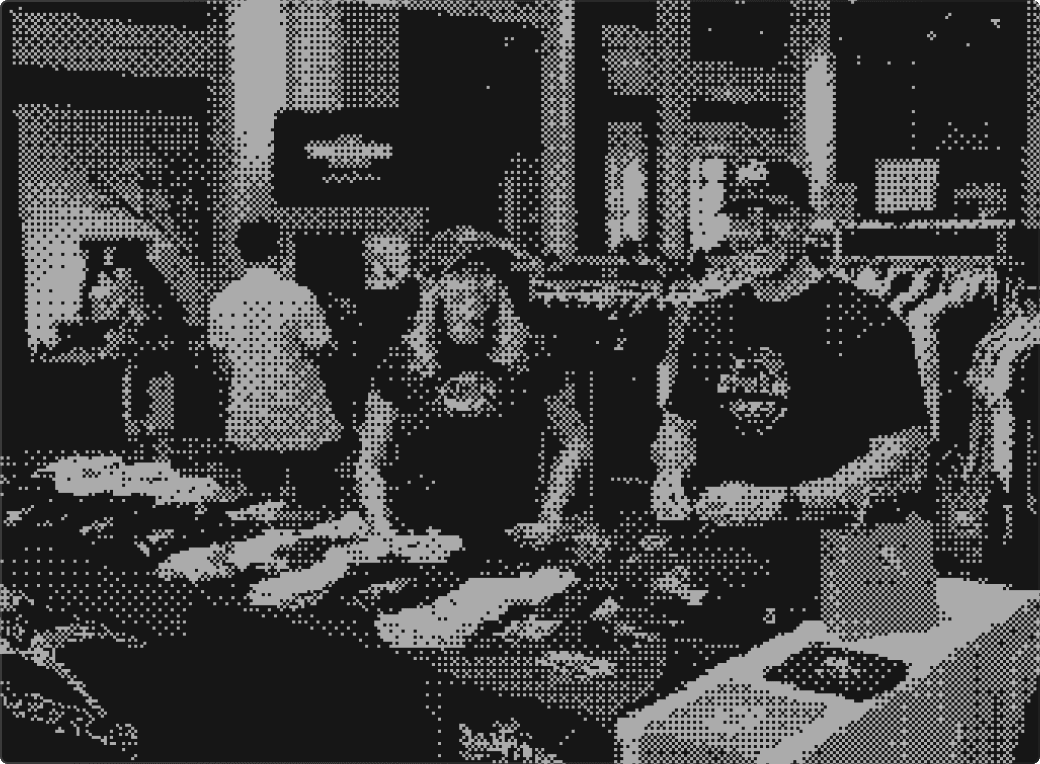
Time local campaigns and activations to align with event calendars instead of generic dates.
Staff up or down around event peaks so locations aren’t overwhelmed or overstaffed.
Understand which events drive overnight demand vs. day trips, and which sub‑markets benefit.

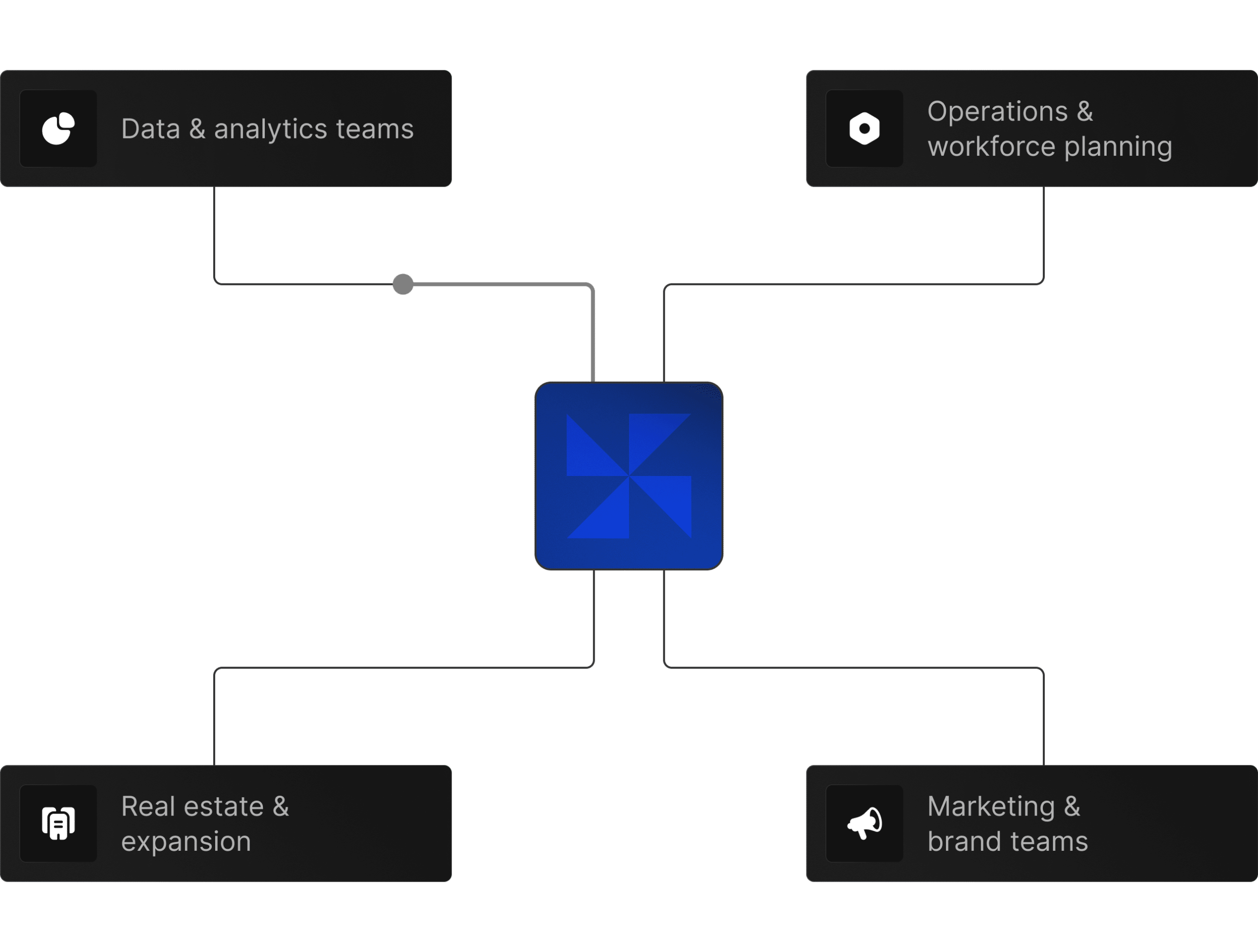
 Data & analytics teams
Looking for structured, trustworthy event data to add into models and dashboards.
 Operations & workforce planning
Owners of staffing, service levels, and day‑of performance.
 Marketing & brand teams
Planning calendars, activations, and sponsorships.
 Real estate & expansion
Evaluating location quality with event patterns included.




Tell us which cities, regions, and sites you care about.

See past and upcoming events around a few key locations and how they line up with your performance.
Put Events in front of your forecasting, ops, marketing, and strategy teams.
Factori Events data turns concerts, sports, festivals, holidays, conferences, and local calendars into structured signals for planning and forecasting.
Factori covers major and local events, including sports, concerts, festivals, conferences, school calendars, holidays, and community activity.
Events data adds real-world calendar context to forecasts, helping teams anticipate demand spikes, dips, and unusual location performance.
Yes. Factori maps events to nearby stores, branches, hotels, depots, and trade areas based on location, timing, and impact zones.
Events data helps teams plan staffing, service levels, inventory, and field execution before high-impact days happen.
Marketing teams can time campaigns, offers, activations, and sponsorships around the events most likely to move local demand.
Factori Events data is normalized, location-aware, and built to connect with Mobility, Places, People, Retail, Market, and Economic signals.
Choose your markets and locations, review a sample event calendar, then connect Events data to forecasting, operations, marketing, and strategy workflows.
© 2026 Factori. All rights reserved.