
Australia’s retail audience is becoming more diverse, more digital, and harder to understand through traditional customer data alone.
At June 2024, 31.5% of Australia’s population was born overseas. Migration also continues to play a major role in population growth. These changes mean retailers are serving audiences with different cultural backgrounds, shopping habits, media preferences, and product needs.
At the same time, the customer journey is moving between physical and digital channels. In 2025, online shopping accounted for 24% of Australian retail spend, according to Australia Post.
Retailers therefore need to understand more than who lives near a store. They need to know who their customers are, where they spend time, what markets they fit, how they move between channels, and which marketing activity leads to measurable business outcomes.
Key Takeaway
- Australia's retail audience is becoming more diverse, making broad customer assumptions less useful.
- Physical and digital retail increasingly form one connected customer journey.
- Retailers need to understand both how much activity exists in a market and whether the audience fits their business.
- Audience intelligence can improve segmentation, market planning, targeting, and personalization.
- Location, mobility, Places, and audience data become more valuable when analyzed together.
- Footfall attribution can help connect marketing activity with physical store visits.
- Incremental lift provides stronger evidence of campaign impact than attributed visits alone.
- The goal of real-world intelligence is not more data. It is better retail decisions.
Why Is Australia’s Retail Audience Becoming Harder to Understand?
Australia does not have one uniform retail audience.
Customer needs can vary by demographics, cultural background, household characteristics, location, lifestyle, media behavior, and shopping preferences.
A retailer using only broad population statistics may miss these differences.
The same applies to geography.
Two suburbs with similar population sizes may have very different audience profiles, shopping behavior, foot traffic, and competitive environments.
That makes deeper consumer and location intelligence increasingly important.
Explore how Factori’s People Data can add demographic and behavioral context to customer and market analysis.
Retail Is No Longer an Online vs. Offline Decision
Customers increasingly move between physical and digital channels during the same buying journey.
A shopper may:
Discover online → Compare products → Check store availability → Visit a store → Purchase → Reorder online
This changes how retailers should think about stores.
A store is not only a place where a transaction happens. It can also support discovery, fulfillment, returns, customer service, and later online purchases.
For expansion teams, this means location decisions should consider more than population and demographics.
Retailers may also need to understand:
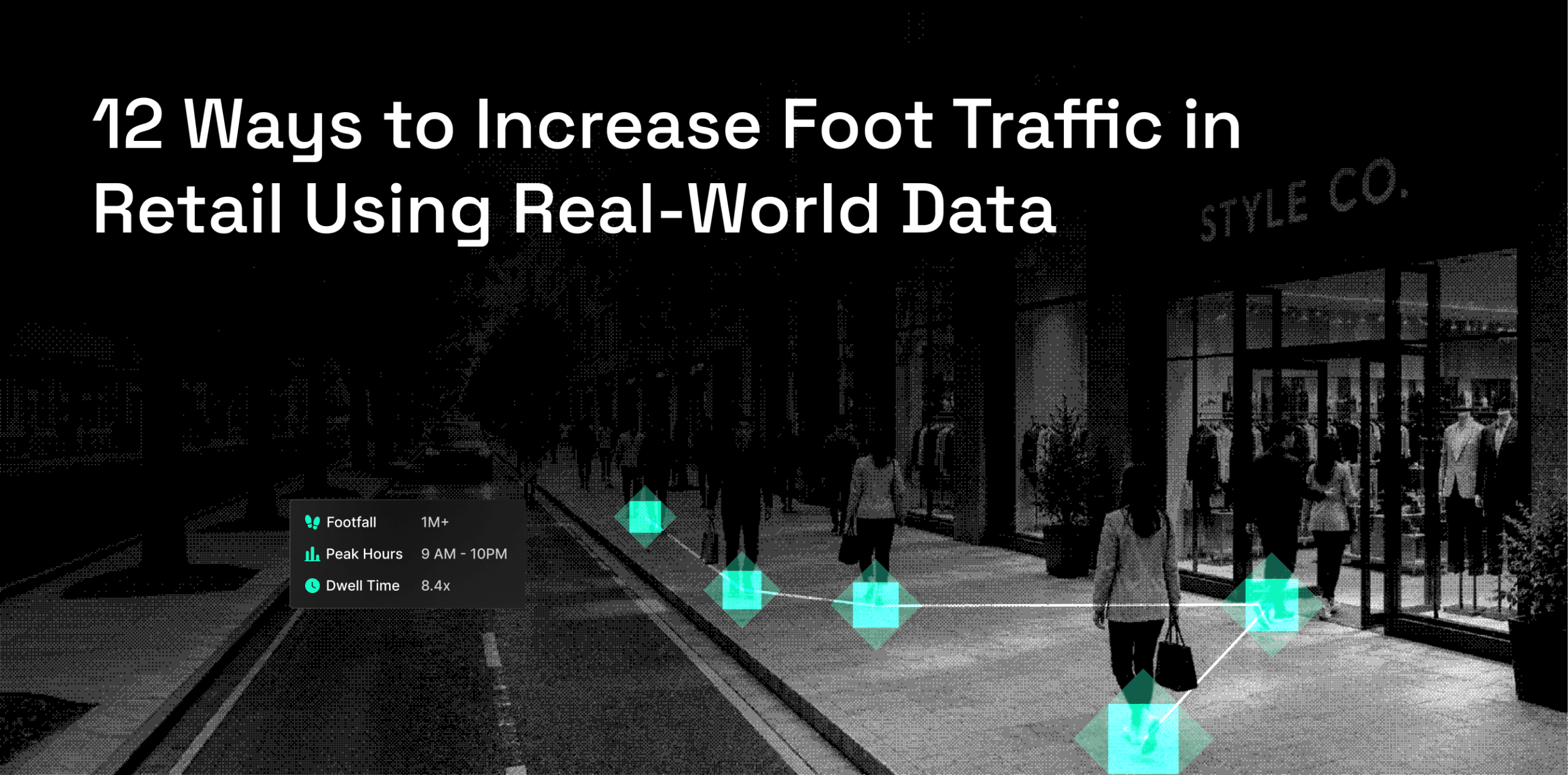
- Foot traffic
- Visitor origins
- Audience composition
- Competitor activity
- Trade areas
- Nearby destinations
- Market demand
Discover how retail site selection using real-world data can support expansion and location decisions.
What Questions Should Australian Retailers Be Asking?
Real-world intelligence becomes most valuable when it starts with a clear business question.
Retailers may need to ask:
- Who are our customers in each market?
- How do audience profiles change between locations?
- Which customer groups are concentrated around our stores?
- What content and channels are relevant to different audiences?
- How often do customers visit specific locations?
- Where do visitors come from?
- Which store formats work better in different markets?
- Which campaign channels actually drive store visits?
These questions connect customer understanding with business decisions.
The objective is not to collect more customer attributes. It is to identify the signals that explain demand, behavior, and performance.
Use Audience Data to Understand Different Customer Groups
Audience data can help retailers move beyond broad market averages.
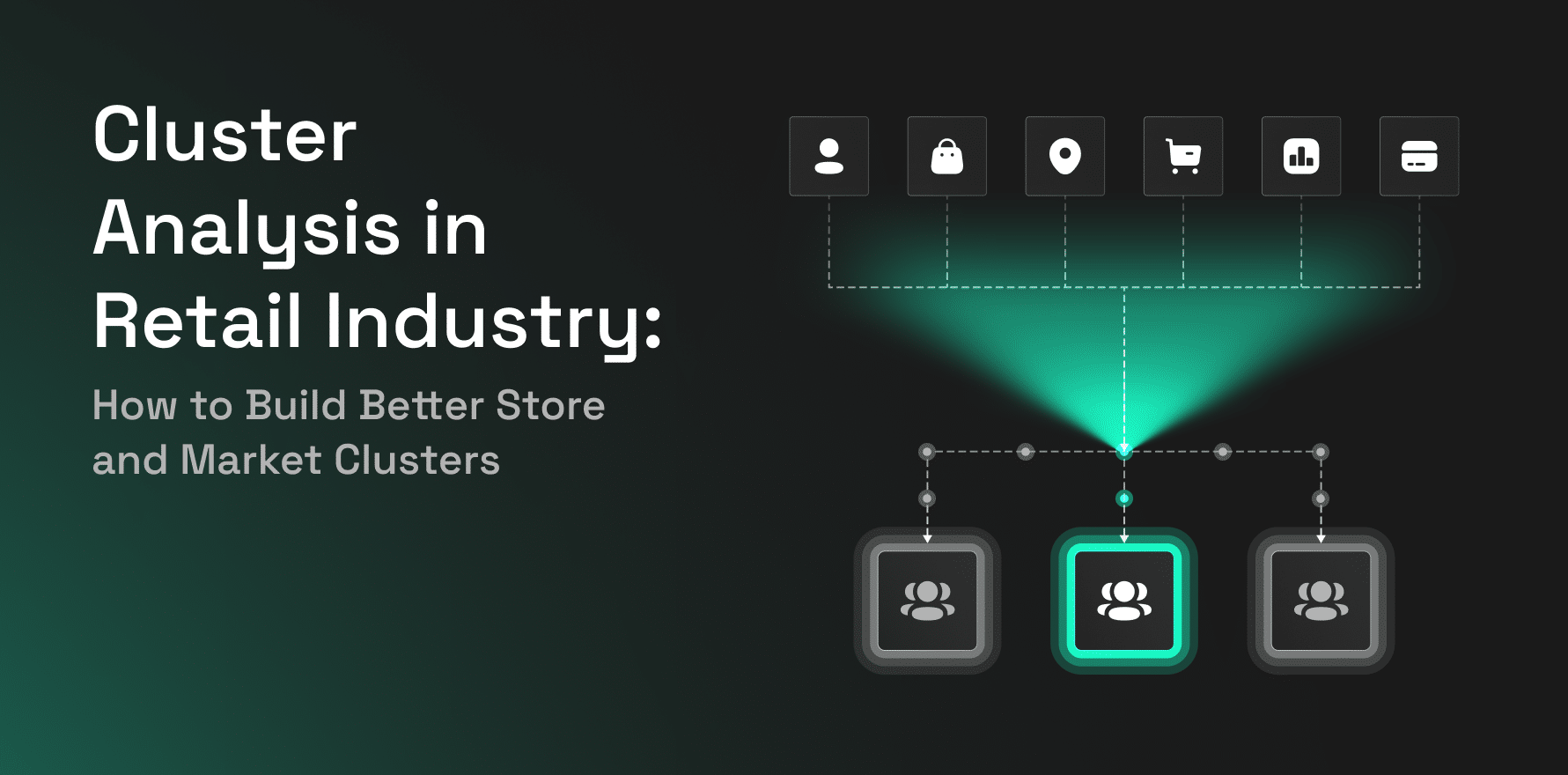
Instead of treating everyone within a city or postcode as one audience, retailers can analyze groups based on relevant demographic, consumer, lifestyle, behavioral, and geographic characteristics.
This can improve:
- Audience segmentation
- Local market planning
- Media strategy
- Personalization
- Customer acquisition
- Store planning
Factori’s Audience Data can help teams understand and activate customer groups using privacy-aware audience intelligence.
The important point is that cultural or demographic characteristics should provide market context, not become a basis for inappropriate or discriminatory targeting.
Connect Audience Intelligence With Location Decisions
Knowing who an audience is becomes more useful when retailers can also understand where that audience interacts with the physical world.
For example, a retailer evaluating two locations may find that both have strong foot traffic.
But the audience composition may be different.
One site may attract customers who closely match the retailer’s target market. The other may have higher overall traffic but weaker customer fit.
Combining audience, Places, mobility, and visit data can help answer both questions:
Is there enough activity here?
and
Is it the right activity for our business?
That creates a stronger foundation for site selection, trade area analysis, and market expansion.
Measurement Matters as Much as Targeting
Understanding the audience is only one part of the problem.
Retailers also need to know whether marketing changes real-world behavior.
Clicks, impressions, and digital conversions can show online engagement. They do not always show whether someone later visited a store.
This is where offline measurement becomes important.
Footfall attribution connects campaign exposure with store visitation. It can help marketers understand which channels, audiences, markets, or creatives are associated with physical visits.
A stronger attribution approach also considers incrementality.
Instead of only asking:
“Did exposed customers visit?”
Retailers should ask:
“Did the campaign generate visits that would not have happened otherwise?”
That distinction helps teams make better budget and optimization decisions.
A Retail Campaign Example
In one Australian campaign described by Factori, a luxury fragrance brand wanted to measure the offline impact of an omnichannel Christmas campaign.
The campaign ran across search, social, display, and connected TV channels.
Factori’s attribution approach connected campaign exposure with store visitation signals. This allowed the campaign team to compare visitation patterns and understand which channels and creatives were associated with stronger store response.
The campaign recorded a reported 673.9% visit lift.
Beyond the lift figure, the more important outcome was measurement. The brand gained visibility into store visitation and channel performance that standard digital metrics alone could not provide.
From Audience Targeting to Business Outcomes
Better targeting should ultimately lead to better decisions.
Audience targeting can help retailers identify relevant customer groups and activate campaigns across channels.
But targeting should connect to measurement.
A useful workflow looks like this:
Understand the audience → Identify the market → Activate the campaign → Measure real-world response → Optimize
This closes the gap between audience intelligence and business outcomes.
Rather than evaluating success through impressions alone, retailers can study how campaigns affect visits, markets, locations, and customer behavior.
How Real-World Intelligence Can Support Australian Retail
Australian retailers are operating in a market where customer profiles, shopping channels, and local demand can change significantly between locations.
Real-world intelligence can help connect these signals.
Retail teams can use audience, people, mobility, Places, and visit data to support:
- Audience understanding
- Local market analysis
- Retail site selection
- Trade area analysis
- Campaign targeting
- Footfall measurement
- Competitive analysis
- Expansion planning
The value comes from combining these signals around a specific decision rather than analyzing each dataset separately.
Conclusion
Australia’s retail market is becoming more diverse and more connected across physical and digital channels.
Retailers cannot rely only on broad demographics, ecommerce data, or store sales to understand what is happening.
They need a clearer view of who their audiences are, where they are concentrated, how markets differ, and whether marketing changes real-world behavior.
Real-world intelligence can help connect those pieces.
For retailers, the opportunity is not simply to collect more data. It is to turn audience and location signals into better decisions about where to expand, who to target, and how to measure growth.
FAQs
Why Is Australia’s Retail Audience Changing?
Australia’s population continues to be shaped by international migration and changing demographics. At the same time, customers increasingly move between online and physical retail channels.
How Can Audience Data Help Australian Retailers?
Audience data can help retailers understand demographic, consumer, lifestyle, behavioral, and geographic differences between customer groups and markets.
How Can Real-World Data Support Retail Site Selection?
Retailers can combine audience data with foot traffic, visitor origins, Places, competition, and trade area information to compare potential locations.
What Is Footfall Attribution?
Footfall attribution measures whether people exposed to advertising later visit a physical location. It helps connect marketing activity with offline outcomes.
Why Is Incrementality Important in Retail Marketing?
Incrementality helps determine whether a campaign generated additional visits rather than simply receiving credit for visits that would have happened anyway.