Talk to the real world with Factori MCP - Get Started Now
Talk to the real world with Factori MCP - Get Started Now
Factori helps you bring real‑world context—demand, competition, events, and local economics—into your pricing decisions, so you can move prices with confidence instead of guesswork.
Trusted by





Trusted by
Most pricing still leans on history and a few simple rules. That breaks when:
Factori gives you external datasets that explain where and when you can move price, so you can:
A single national price grid rarely reflects what each market can actually support.
Dynamic pricing starts with understanding local demand, income levels, and competitive density, so base prices are set to what's realistic in each area, not just what works on average.

Not every market needs the same depth of discount.
Real-world demand signals, local spend data, and competitive activity help identify where deep promotions are necessary and where lighter offers are enough to drive the same result.

Some of the biggest dynamic pricing opportunities sit around local events, seasonal spikes, and high-traffic moments.
Mobility patterns and event data help teams identify when and where short-term demand is building, so price adjustments are timed to actual conditions on the ground.

Local income, foot traffic, competitive mix, and retail spend give teams a clear basis for why prices differ by city, ZIP or trade area, making decisions easier to explain internally and act on confidently.

Moving from blanket pricing to location-level price bands is one of the most impactful dynamic pricing shifts a team can make.
Grouping locations by real demand profiles, economic strength, and competitive conditions makes those bands simple to build and easier to maintain over time.

You keep your pricing engine and rules. Factori adds the outside‑in picture.
You choose which signals matter for your business. We make them easy to compare across locations and markets.

Group stores, hotels, or routes into clusters based on real demand, competition, and income, then set simple price bands per cluster.
Use Retail Sales, Market, and Events to decide where to run deeper discounts and where lighter promotions are enough.
Combine Events and Mobility to adjust prices or offers during large local demand spikes—concerts, sports, festivals, holidays.
Pick test markets based on similar external profiles, so you can read results and roll out learnings more safely.
When you change prices, point to clear external drivers rather than “because the model said so.”
In which cities or ZIPs can we safely increase prices without hurting volume?
Where should we run the deepest promotions during this campaign—or not at all?
Which stores or routes should get “event pricing” during big local events?
How should prices differ between these two locations that look similar on sales, but not on income or competition?
How should we treat markets where demand is strong but local economics are weakening?
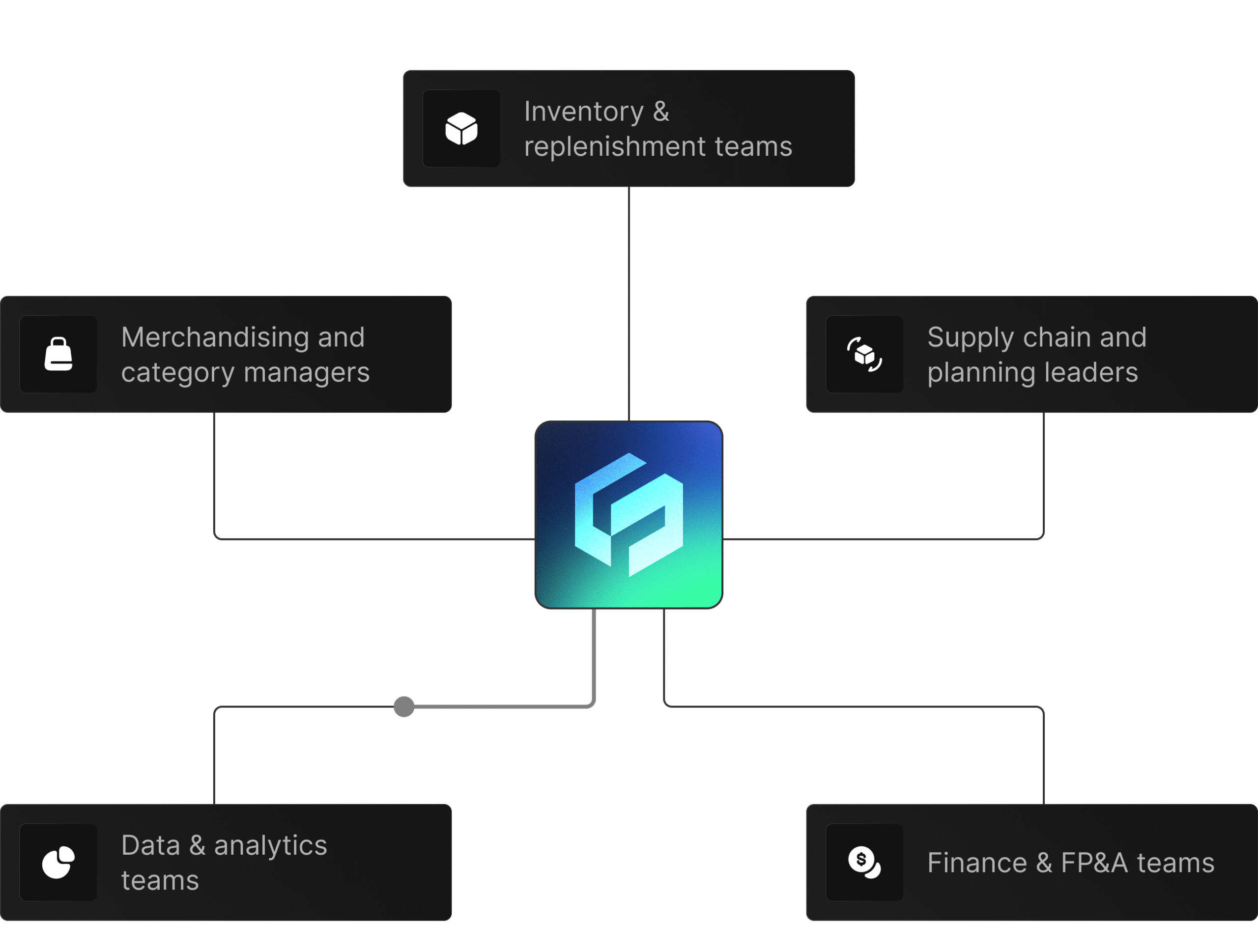
 Pricing, revenue management, and commercial teams
 Group stores, hotels, or routes into clusters based on real demand, competition, and income, then set simple price bands per cluster.
 Category and merchandising teams
Use Retail Sales, Market, and Events to decide where to run deeper discounts and where lighter promotions are enough.
 Growth and marketing teams running promos and offers
Combine Events and Mobility to adjust prices or offers during large local demand spikes, concerts, sports, festivals and holidays.
 Data & analytics teams building and maintaining pricing models
Pick test markets based on similar external profiles, so you can read results and roll out learnings more safely.
 Finance & FP&A teams responsible for margin and revenue
When you change prices, point to clear external drivers rather than “because the model said so.”
Everyday pricing, promos, markdowns, or event‑based adjustments in a specific region or line of business.

For example: People + Economic + Retail Sales for base pricing, or Mobility + Events + Market for peak and promo pricing.
Compare “current pricing” vs. “pricing with Factori data” on a small set of locations or markets, and review impact on volume, revenue, and margin.
Dynamic pricing is the process of adjusting prices, promotions, discounts, or offers based on demand, supply, competitor activity, customer behavior, market conditions, timing, and local willingness to pay.
Factori helps pricing teams add external demand signals such as events, mobility, weather, market interest, retail sales, competitor density, and economic conditions to pricing decisions. This supports smarter price changes by market, location, category, or time period.
Factori makes pricing decisions more explainable by connecting price moves to real-world demand drivers. Teams can avoid blanket pricing decisions and instead adjust pricing based on local demand, competition, market pressure, and opportunity.
Businesses can use Factori to identify where demand can support stronger pricing, where softer markets need offers, and where events or local activity may create short-term pricing opportunities. This supports better revenue, margin, and promotion efficiency.
Products
Solutions By Use Case
By Use Case
By Industry
© 2026 Factori. All rights reserved.