Talk to the real world with Factori MCP - Get Started Now
Talk to the real world with Factori MCP - Get Started Now
A clear view of what's happening in and around your markets, concerts, sports, festivals, conferences, school calendars, holidays and more. So you can plan for demand spikes and dips ahead of time instead of reacting to them.
Trusted by





Trusted by
Concerts, sports games, festivals, conferences, local celebrations, school breaks, public holidays and more.
High‑level event types (family, nightlife, business, sports, culture, etc.) so you know which events matter for your brand.

Simple indicators of expected impact (small / medium / large) and relevance to nearby locations.

Which stores, branches, hotels or depots sit inside each event’s “impact zone” and time window.

See event calendars and likely impact in advance, so you’re ready with staff, stock and offers.
When a location is way up or down vs. plan, quickly check whether events were the driver.
Give central teams and field teams a shared, structured view of what’s happening in every market.
Help operations, marketing, and finance make decisions from the same event picture.
Add structured event data to your short-term demand forecasts so spikes and quiet stretches are never a surprise.
Whether you're building a demand forecaster for a single market or running AI demand forecasting across your entire network, event-driven signals are one of the most underused inputs available.

Evaluate sites by the type and frequency of events happening nearby, not just foot traffic averages.
A location next to a stadium or convention centre looks very different in event data than it does in a monthly average, and that difference matters for long-term retail demand forecasting.
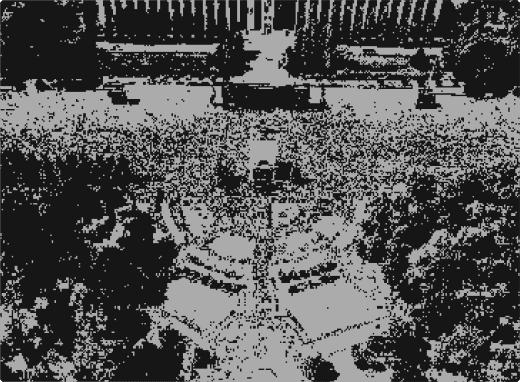
Plan inventory and product mix around event types (family, sports, business) and timing.
Demand planning and forecasting is more accurate when the events calendar is baked in from the start, not treated as an afterthought.
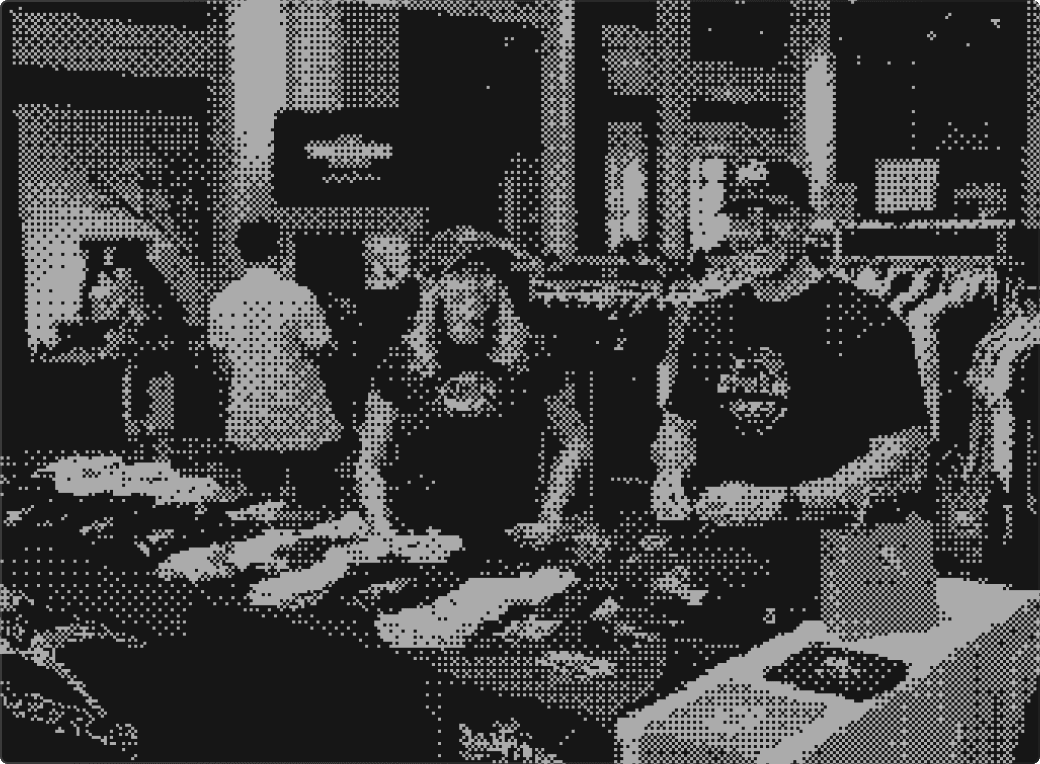
Knowing which events are coming, who they attract, and which of your locations sit in the impact zone gives marketing teams a much sharper foundation for forecasting and demand planning across markets.

Staff up or down around event peaks so locations aren’t overwhelmed or overstaffed.
Event data gives operations teams the forward visibility they need to treat workforce planning as a demand forecasting exercise — not a reactive scramble.
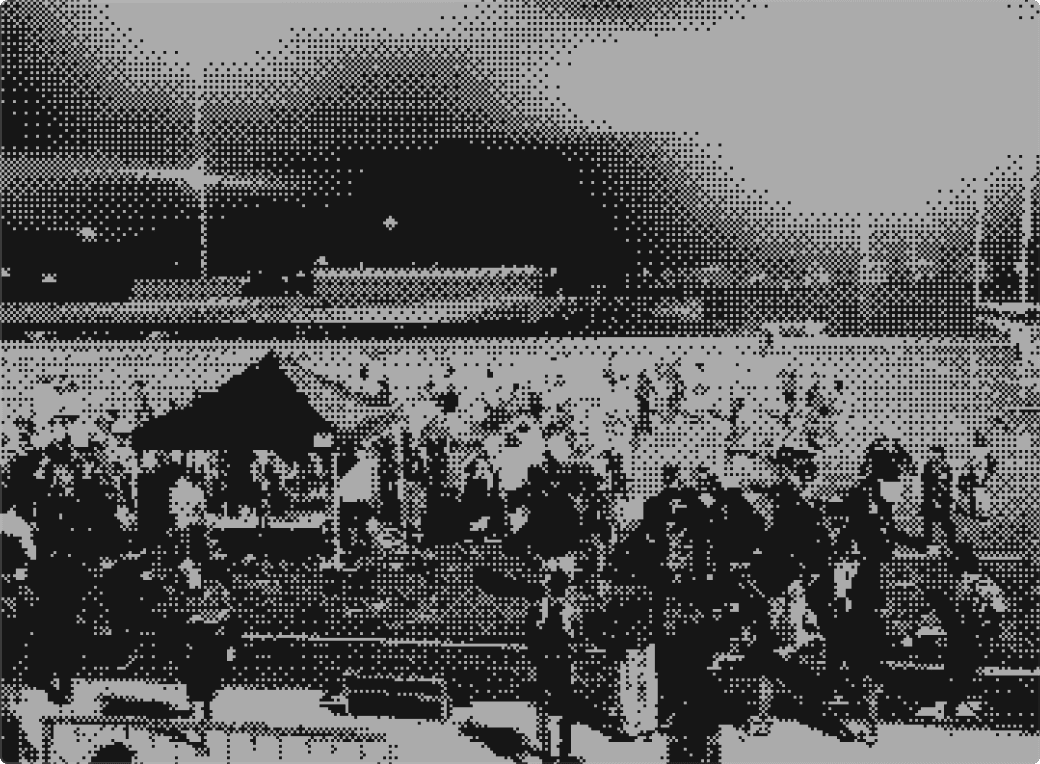
Understand which events drive overnight demand vs. day trips, and which sub‑markets benefit.
For hotels and travel operators, supply chain forecasting and capacity planning both improve when event-driven demand signals are factored in alongside booking trends.

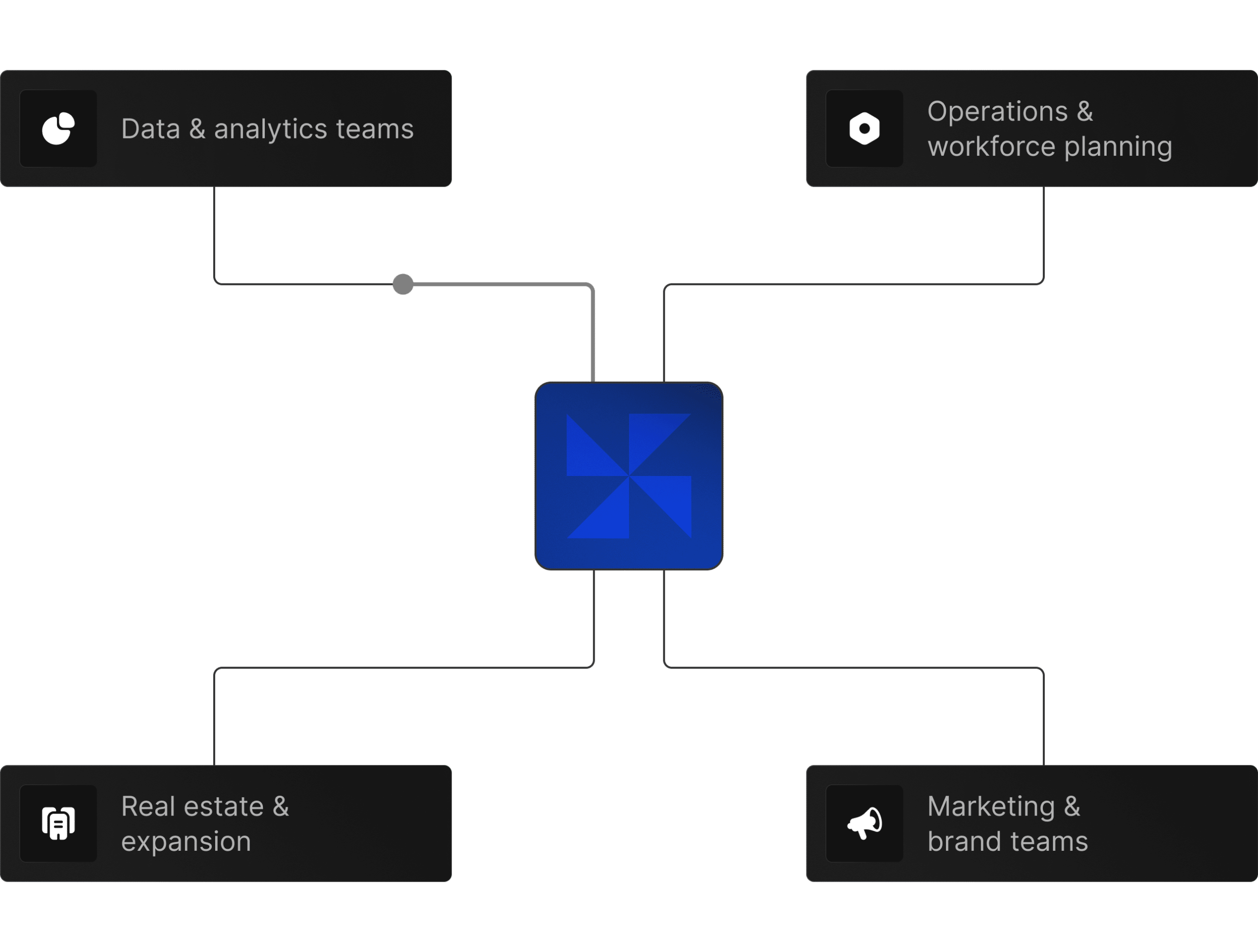
 Data & analytics teams
Looking for structured, trustworthy event data to add into models and dashboards.
 Operations & workforce planning
Owners of staffing, service levels, and day‑of performance.
 Marketing & brand teams
Planning calendars, activations, and sponsorships.
 Real estate & expansion
Evaluating location quality with event patterns included.




Tell us which cities, regions, and sites you care about.

See past and upcoming events around a few key locations and how they line up with your performance.
Put Events in front of your forecasting, ops, marketing, and strategy teams.
Factori Events Data turns concerts, sports, festivals, conferences, holidays, school calendars, community events, and local activity into structured signals for demand forecasting, staffing, inventory, marketing, and operations planning.
Factori Events Data helps teams plan for demand spikes, unusual footfall, staffing pressure, inventory surges, hotel occupancy changes, traffic increases, and local marketing opportunities caused by events and calendars.
Events Data helps teams predict demand spikes, traffic surges, booking lift, staffing needs, inventory pressure, and unusual location performance caused by nearby events or local calendars.
Factori builds Events Data from event calendars, venue schedules, public sources, ticketing and listings sources, holiday calendars, school schedules, local activity sources, and market-specific event feeds. These are normalized by time, location, category, expected impact, and affected area.
Customers can access using any of these options:
(1) Download a 100-row sample CSV for FREE
(2) Connect the MCP server to your AI client and query in natural language
(3) Book a 30-minute discovery call, validate fit against a specific use case.
(4) Factori Platform
Events Data is refreshed frequently because calendars change often. Update cadence can vary by event type, market, and use case, with options for recurring updates to support short-term forecasting and operational planning.
Basic calendars list events. Factori Events Data turns events into location-aware, time-aware, model-ready signals that help businesses understand which locations may be affected, when impact may occur, and how demand may change.
Products
Solutions By Use Case
By Use Case
By Industry
© 2026 Factori. All rights reserved.