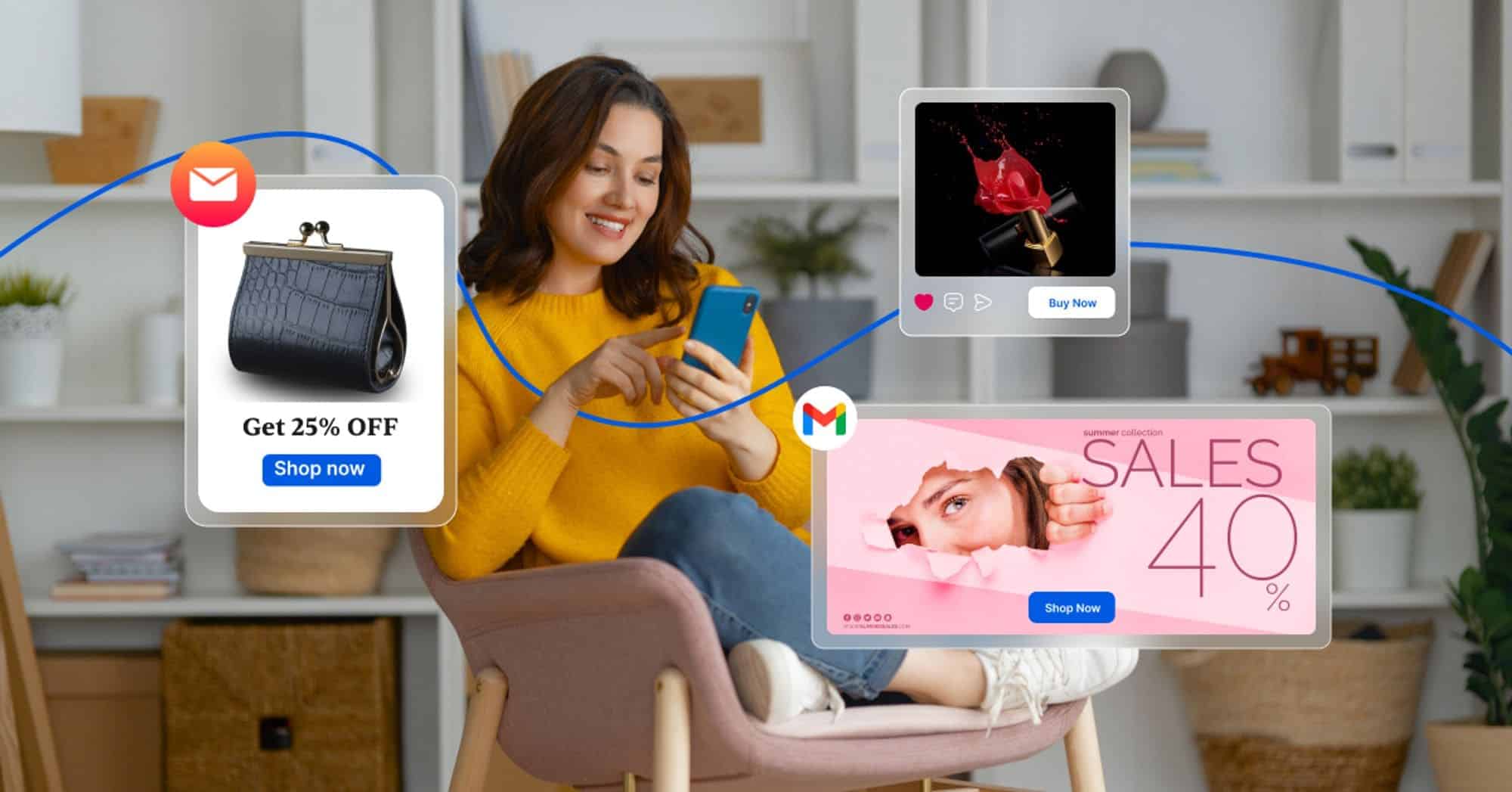
Customers no longer see retail as separate online and offline experiences.
A shopper may discover a product on social media, compare it online, visit a store, and complete the purchase through an app. For retailers, the challenge is connecting these interactions into one consistent experience.
An omnichannel retail strategy brings customer data, digital channels, physical stores, inventory, marketing, and fulfillment together.
Key Takeaway
- Omnichannel retail connects digital and physical shopping.
- Customer data helps identify offline shoppers most likely to adopt digital channels.
- Lookalike modeling can help retailers find similar high-potential customers.
- Digital channels should provide practical value, not just promotions.
- Inventory, fulfillment, loyalty, and customer data need to work together.
- Physical stores remain important for discovery, service, fulfillment, and measurement.
- Retailers should measure the full customer journey instead of individual channels alone.
What Is an Omnichannel Shopper?
An omnichannel shopper uses more than one channel during the buying journey.
For example:
Discover online → Research on mobile → Visit a store → Purchase through an app
The key is not the number of channels. It is whether those channels work together.
A strong omnichannel experience lets customers move between digital and physical touchpoints without starting over.
Research from Deloitte and McKinsey continues to highlight the importance of connecting physical and digital retail.
Why Offline and Online Retail Should Work Together
Stores and ecommerce were once managed as separate channels.
That approach is becoming less useful.
A physical store may support discovery, pickup, returns, service, and product testing. Digital channels may support research, recommendations, loyalty, and repeat purchases.
The store can influence an online sale. An online interaction can drive a store visit.
If retailers measure each channel separately, they may miss part of the customer journey.
A stronger omnichannel strategy connects customer profiles, purchase history, inventory, loyalty, marketing engagement, and store activity.
How Can Retailers Convert Offline Shoppers Into Omnichannel Customers?
Retailers need to give offline customers a clear reason to engage with digital channels.
Four steps are especially important.
1. Identify Customers Most Likely to Use Multiple Channels
Start with first-party customer data.
Retailers can analyze:
- Purchase history
- Loyalty activity
- Product preferences
- Store behavior
- Digital engagement
- Visit frequency
The goal is to find customers already showing signs of cross-channel behavior.
For example, a frequent store customer who regularly opens product emails may be more likely to adopt an app than someone with no digital engagement.
Retailers can also enrich customer data with demographic, behavioral, and location context.
2. Use Lookalike Modeling to Find Similar Customers
Once retailers identify existing omnichannel customers, they can look for audiences with similar characteristics.
For example, the starting group might be customers who:
Shop in store + use the loyalty app + respond to digital promotions
Lookalike modeling helps retailers identify other customers who behave in similar ways.
Instead of asking:
“Who looks like our average customer?”
The better question is:
“Who looks like the customers already using multiple channels?”
Data enrichment can improve these customer profiles with additional attributes.
3. Give Offline Customers a Reason to Go Digital
Customers need a practical reason to use an app, website, or digital account.
That could include:
- Loyalty rewards
- Digital receipts
- Personalized recommendations
- Store inventory visibility
- Click and collect
- Easier reordering
- Online-only offers
The digital experience should solve a customer problem.
For example, showing whether a product is available at a nearby store makes the digital channel useful even when the final purchase happens offline.
4. Bring More of the Store Experience Online
Some parts of physical shopping are difficult to reproduce online.
Customers may want to compare products, ask questions, or see how something looks before buying.
Retailers can reduce this gap with:
- AR product experiences
- Virtual try-on
- Video demonstrations
- Online consultations
- Product comparison tools
- Live customer support
Retailers can also use audience data to better understand different shopper groups and create more relevant digital experiences.
What Makes an Omnichannel Experience Work?
Adding more channels does not automatically create an omnichannel experience.
Integration matters.
| Area | Disconnected Experience | Omnichannel Experience |
|---|---|---|
| Customer data | Separate profiles | Connected customer view |
| Inventory | Store and online stock separated | Shared inventory visibility |
| Promotions | Different by channel | Coordinated offers |
| Loyalty | Separate activity | One loyalty experience |
| Fulfillment | Limited options | Pickup, shipping, and returns across channels |
| Measurement | Channels measured alone | Customer journey measured together |
A retailer can have a website, mobile app, social account, and physical stores without being truly omnichannel.
Those systems need to work together.
Connect Inventory and Fulfillment
Customer experience depends on operations.
A retailer may offer strong personalization but still disappoint customers if an item shown online is unavailable at the store.
Retailers should connect ecommerce, store inventory, and fulfillment systems.
This enables experiences such as:
Buy online → Pick up in store
Browse online → Check local stock → Buy in store
Buy online → Return in store
Factori’s supply chain optimization use case can add external data context to planning and operations.
Use Physical Stores as Part of the Digital Journey
Omnichannel does not mean replacing physical stores.
Stores can support digital growth by acting as:
- Pickup locations
- Return points
- Product showrooms
- Service centers
- Fulfillment locations
McKinsey has also discussed the broader role of stores in omnichannel distribution. Read the research.
Retailers should evaluate stores based on their impact on the wider customer journey, not only sales completed at the register.
Measure the Customer Journey, Not Individual Channels
Retailers often measure ecommerce and physical stores separately.
That can create misleading conclusions.
Digital advertising may influence a store visit without generating an online purchase. A store visit may later result in an ecommerce transaction.
Useful omnichannel metrics include:
| Metric | What It Measures |
|---|---|
| Cross-channel conversion | Customers using multiple channels before purchase |
| Store-to-online conversion | Physical shoppers adopting digital channels |
| Online-to-store visits | Digital activity followed by store visits |
| Repeat purchase rate | Long-term customer engagement |
| Loyalty adoption | Customers joining connected programs |
| Customer lifetime value | Long-term value across channels |
This gives retailers a clearer view of how channels support each other.
How Factori Supports Omnichannel Retail
Factori helps retailers connect customer, audience, location, and real-world behavioral signals.
Retail teams can use Factori data for:
- Customer enrichment
- Audience segmentation
- Lookalike modeling
- Store and trade area analysis
- Campaign targeting
- Offline measurement
- Market analysis
Factori’s retail solutions help teams understand customers and markets across physical and digital environments.
Retailers can also explore Factori’s solutions and data products to add more real-world context to existing customer data.
Conclusion
The goal of omnichannel retail is not to push offline shoppers online.
It is to make online and offline experiences work better together.
Retailers can start by identifying likely cross-channel customers, enriching customer profiles, building lookalike audiences, creating useful digital incentives, and connecting inventory and fulfillment.
The strongest omnichannel strategy gives customers the freedom to move between channels while helping retailers understand the full journey.
FAQs
What Is Omnichannel Retail?
Omnichannel retail connects physical stores, ecommerce, mobile, social media, customer service, and other channels into one coordinated experience.
What Is an Omnichannel Shopper?
An omnichannel shopper uses multiple channels during the buying journey, such as researching online before visiting a store.
How Can Retailers Convert Offline Shoppers to Online Customers?
Retailers can identify likely digital adopters and give them useful reasons to engage online, such as loyalty rewards, inventory visibility, and easier reordering.
What Is the Difference Between Multichannel and Omnichannel Retail?
Multichannel retail means operating across several channels. Omnichannel retail connects those channels so data, inventory, fulfillment, and customer experiences work together.
Why Is Customer Data Important for Omnichannel Retail?
Customer data helps retailers understand behavior across touchpoints, build segments, personalize experiences, and measure cross-channel activity.