Consumer Data Use Cases Across Industries
Consumer data helps businesses understand who their customers are, what they prefer, and how their behavior changes over time.
Used well, it can improve targeting, customer experience, planning, and decision-making. Its value is not limited to marketing. Retailers, financial institutions, travel brands, gaming companies, and public-sector organizations can all use consumer insights to make better decisions.
The key is to use the right data for the right business question while maintaining strong privacy and data governance standards.
Key Takeaway
- Consumer data can support decisions across marketing, retail, finance, healthcare, workforce planning, government, travel, and gaming.
- Its value depends on using the right data for the right business question.
- In marketing, consumer data can improve audience targeting and personalization.
- Retailers can use it to understand preferences, store activity, staffing needs, inventory, and local demand.
- Financial institutions can use consumer and economic signals to support risk analysis and demand forecasting.
- Travel and gaming companies can use audience attributes and behavioral signals to improve segmentation and campaign planning.
- Public-sector and healthcare use cases should focus on aggregated insights, clear governance, and strong privacy safeguards.
- More data does not automatically produce better insights. Relevance, freshness, completeness, and coverage matter more than volume.
- Consumer data becomes more useful when combined with first-party, mobility, location, and place data.
- Responsible use, privacy-aware practices, and clear business objectives are essential for turning consumer data into better decisions.
1. Marketing and Advertising
Marketing is one of the most common uses of consumer data.
More Precise Audience Targeting
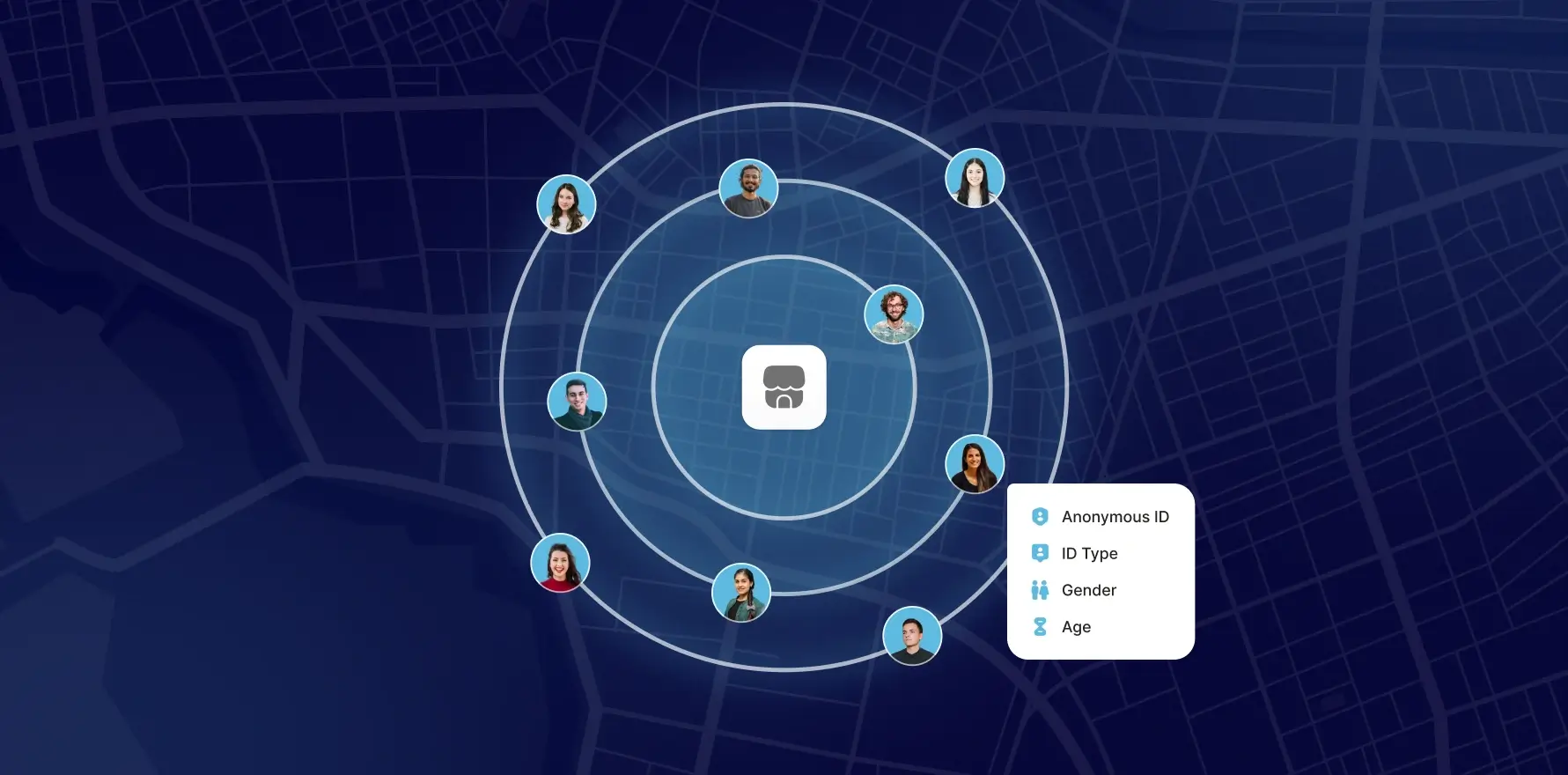
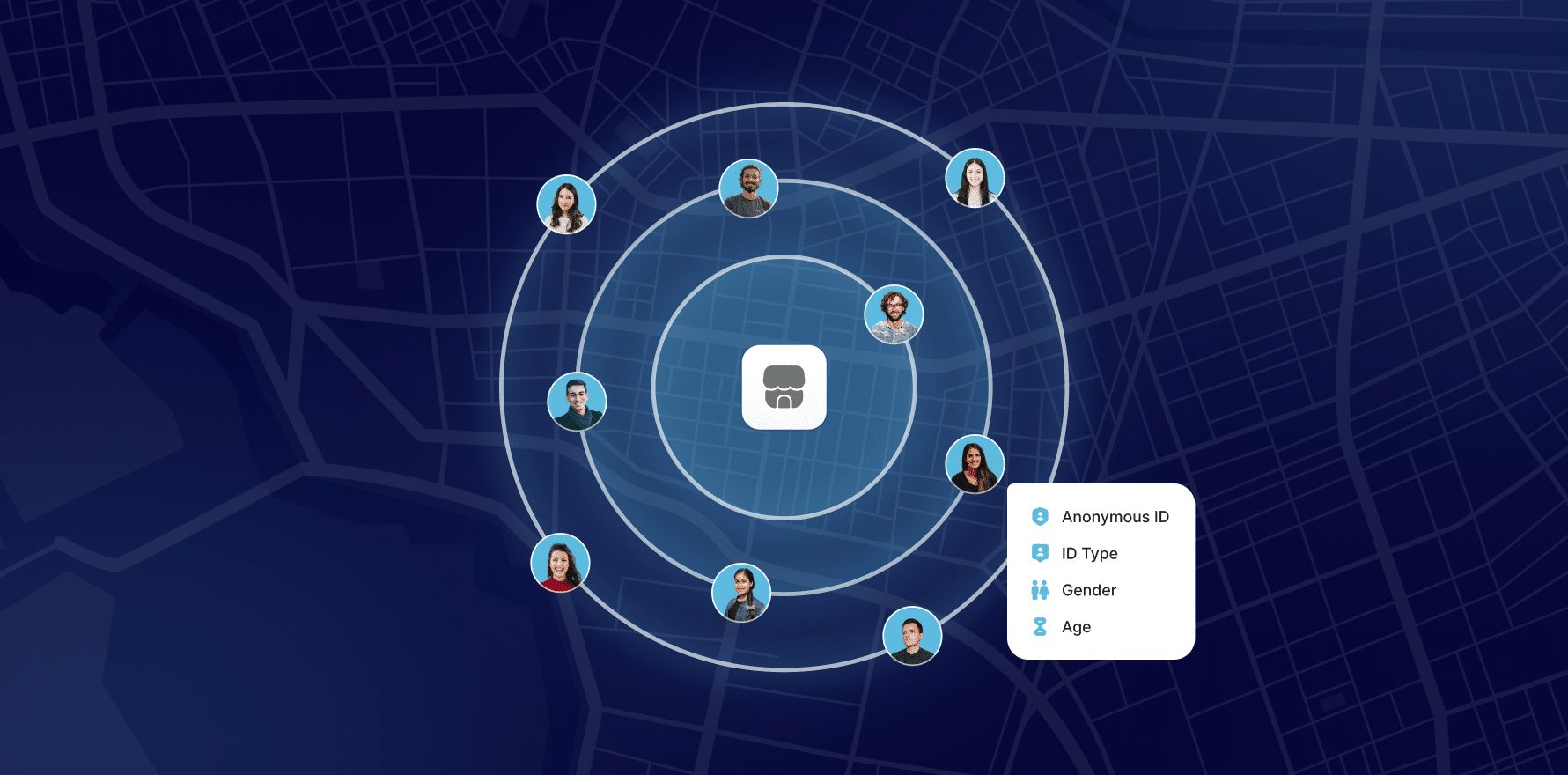
Marketers can group audiences using signals such as demographics, interests, preferences, and past behavior.
Instead of showing the same campaign to everyone, teams can create messages for specific audience groups. This can improve relevance and reduce wasted media spend.
For example, a consumer electronics brand could enrich its CRM data to identify younger customers who are more likely to adopt new technology. It could then build a separate campaign around that group instead of targeting its entire customer base.
Better Personalization
Consumer data can also help brands personalize customer experiences.
A retailer might change product recommendations based on previous purchases. A travel company might promote destinations based on past travel behavior. A financial brand might adapt its messaging based on customer needs or life stages.
The goal is not simply to collect more data. It is to use relevant signals to make each interaction more useful.
Visual suggestion: Show the progression from broad audience → segmented audience → personalized campaign.
2. Retail and E-commerce
Retailers can use consumer data to understand both customer preferences and activity around physical locations.
Improving the Customer Experience
Online and offline retailers can use customer preferences, purchase patterns, and behavioral signals to create more relevant experiences.
This can influence product recommendations, promotions, merchandising, and communication.
For example, a retailer that identifies a strong interest in a particular product category among a customer segment can adjust its campaigns and product mix around that demand.
Understanding Store Activity
Consumer and location intelligence can also provide context around store visits.
Retailers can study when locations are busiest, how customer patterns differ between stores, and where demand changes across the week. Combined with operational data, these insights can support decisions around staffing, inventory, and store planning.
Retailers working on these challenges can also explore Factori’s inventory management solutions.
3. Financial Services
Financial institutions use consumer insights to better understand market demand, customer groups, and financial behavior.
Supporting Risk Analysis
Traditional credit information remains central to lending decisions. Additional consumer and economic signals can add useful context when they are appropriate, permitted, and used responsibly.
For example, aggregated economic, demographic, or spending patterns can help financial institutions understand changes in local markets and customer segments.
These signals should support established risk processes rather than replace them.
Forecasting Demand
Banks, insurers, and other financial institutions can also use consumer data to understand how spending and demand are changing.
Changes in consumer behavior may help teams forecast demand for products, evaluate market opportunities, or understand regional economic conditions.
Factori’s financial services solutions can support these use cases with economic, consumer, and location-based signals.
4. Healthcare and Wellness
Consumer insights can also support broader healthcare and wellness planning when used with appropriate privacy protections.
Understanding Patient and Consumer Needs
Healthcare and wellness organizations may use demographic, lifestyle, and preference data to understand the needs of different population groups.
For example, a wellness provider may identify that customers in one segment prefer digital services, while another group responds better to in-person programs.
These insights can help organizations improve service design and communication.
Population-Level Planning
Aggregated demographic and behavioral data can also help organizations study population trends.
This can support decisions around where services are needed, how resources should be distributed, and which communities may require more attention.
Any health-related use of consumer data should be handled with strong privacy safeguards and should avoid inappropriate individual-level profiling.
5. Human Resources and Workforce Planning
Not every HR problem requires consumer data. However, external demographic, labor-market, and behavioral trends can provide useful context for workforce planning.
Talent and Market Planning
Companies can study labor-market conditions, workforce demographics, and regional trends when deciding where to recruit or expand.
This can help answer questions such as whether a market has enough workers with the required skills or whether commuting patterns make a location practical for employees.
Workforce Operations
Organizations may also combine internal workforce data with broader external signals to support staffing and scheduling decisions.
For example, retailers and hospitality businesses can align staffing levels with expected demand at different times and locations.
Factori’s workforce optimization solutions can support planning around staffing and operational demand.
6. Government and Public Sector
Public-sector organizations can use aggregated consumer, demographic, and location data to better understand communities and service demand.
Improving Public Services
Data can help governments understand where services are needed most.
Transport agencies may study population and movement patterns. Local authorities may use demographic and location data to plan public facilities. Emergency services may use broader population trends for resource planning.
Supporting Policy Decisions
Consumer and population-level data can provide additional evidence when evaluating public programs and policies.
The focus should remain on aggregated insights rather than individual tracking. Public-sector use cases require clear governance, transparency, and privacy safeguards.
7. Travel and Hospitality
Travel brands need to understand not only who travels, but also how different groups plan and behave.
Consumer data can help hotels, airlines, travel platforms, and tourism businesses segment audiences based on attributes such as travel preferences, frequency, demographics, and interests.
A hotel group, for example, might separate business travelers from leisure travelers and build different offers for each audience. A travel brand could identify people with a stronger interest in winter travel and tailor seasonal campaigns accordingly.
Factori’s travel and hospitality solutions help businesses combine audience and location intelligence to better understand travel demand.
8. Gaming
Gaming companies can use consumer data to understand different player groups and improve acquisition strategies.
Demographic, interest, and behavioral signals can help teams identify audiences that are more likely to engage with certain game categories or new releases.
This can support audience targeting, campaign planning, and customer segmentation. Gaming companies can also combine these insights with their own first-party player data to better understand which audience groups are most valuable.
The focus should be on aggregated audience patterns and responsible segmentation rather than invasive individual profiling.
What Makes Consumer Data Useful?
Consumer data creates value when it helps answer a specific business question.
Before using a dataset, businesses should consider:
- Whether the data is relevant to the decision being made
- How fresh and complete the dataset is
- Whether the audience or geographic coverage is sufficient
- How easily the data can connect with existing systems
- Whether the data has been collected and processed responsibly
More attributes do not automatically mean better insights. Data quality and relevance matter more than volume.
How Factori Helps Businesses Use Consumer Data
Factori provides consumer and audience data that can help businesses enrich first-party data, understand audience groups, and support targeting, planning, and market analysis.
Businesses can combine consumer insights with Factori’s location, mobility, and place intelligence to build a broader view of customers and markets.
Factori’s approach is designed around privacy-aware data use and aggregated insights, helping teams move from raw signals to practical business decisions.
Conclusion
Consumer data can support decisions across marketing, retail, finance, travel, gaming, workforce planning, and the public sector.
Its value comes from helping businesses understand patterns that would otherwise be difficult to see. But successful use depends on more than simply having access to data. Organizations need clear business questions, reliable data, responsible practices, and a way to turn those insights into action.
As data tools improve, businesses that can connect consumer insights with their own first-party information will be better positioned to understand demand, improve customer experiences, and make stronger decisions.