Trusted by





Trusted by
Your world is built on two things: where people are and how reliably you can reach them.
Most decisions still rely on:
That makes it hard to see:
Factori adds a simple outside‑in layer to every zone, site, and corridor, so you can:
Decide where to prioritize fiber, 5G, EV charging, and upgrades based on real demand potential and growth.

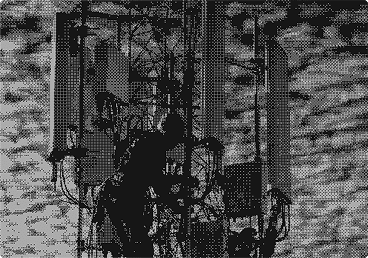
Align crew readiness and resources to where people actually live, work, and move—not just where assets are.

Plan crews, shifts, and skills by true service‑area demand and access patterns.
Understand why some stores over‑ or under‑perform given local audience and competition.

Give territory managers a clear picture of where the best prospects and pockets of demand are.

You bring network, usage, ticket, and CRM data. Factori brings the real‑world layer.
All datasets are aggregated, privacy‑safe, and designed to be easy to read and join to your assets, zones, and territories.




Which zones should get the next wave of fiber or 5G, based on real demand and growth?
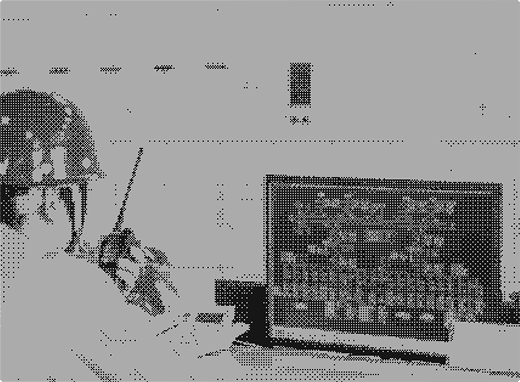
Where are we consistently under‑serving high‑value areas with field crews or channels?
Which stores are underperforming given their local audience, access, and competition?
How should we prioritize repair and outage response when multiple areas are impacted?
Where are we most at risk of future overload if demand keeps growing along these corridors?
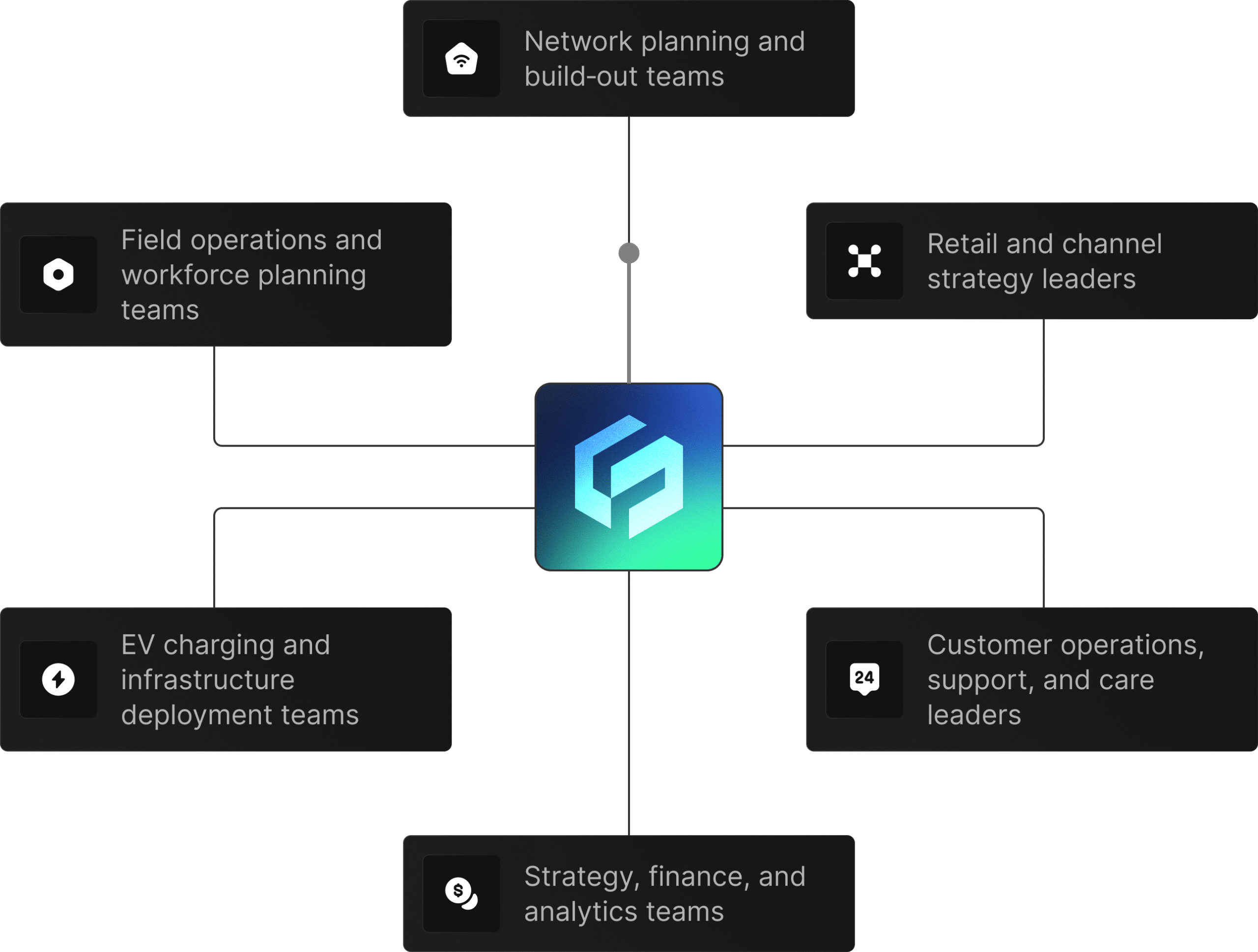
 Network planning and build‑out teams
 Field operations and workforce planning teams
 Retail and channel strategy leaders
 EV charging and infrastructure deployment teams
 Customer operations, support, and care leaders
 Strategy, finance, and analytics teams
For example: a planned network rollout, a region with persistent service issues, or a retail/channel review.

Common starting point for telco & utilities: People + Economic + Mobility + Traffic, then layer in Places, Business, Market, and Events as needed.
Compare how you plan today vs. how decisions look with real‑world data, and decide where to adjust rollouts, staffing, or channels first.
© 2026 Factori. All rights reserved.