Trusted by





Trusted by
Move cleanly from country → region → city → neighborhood → ZIP → parcel → building—and back again.
Real shapes for boundaries, parcels, and buildings—built for analysis, reporting, and mapping.

Translate between the formats different teams and tools rely on—without rebuilding crosswalk tables every time.
Link boundaries and footprints to common geo ID systems like hexbins, quadkeys, GERS, Placekey, and more—so external datasets snap into place faster.
Keep reporting stable when geographies change, so comparisons over time stay meaningful.
No more “ZIP vs county vs DMA vs custom territory vs grid” confusion. Geo makes it one language.
When every dataset can map to the same geo spine, you stop shipping fragile, one‑off spatial joins.
Finance, ops, marketing, and analytics can finally agree on what “this market” means.
Site strategy, market sizing, territory planning, and geo reporting become repeatable—not bespoke.
Standardize Geo once, and every new dataset becomes easier to plug into your models and dashboards.
Create a single reference “where layer” that every team and dashboard uses.
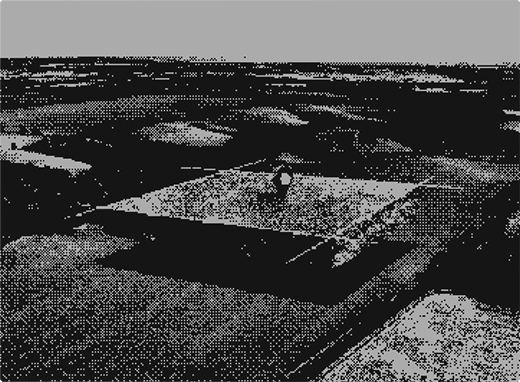
Design, version, and report by regions and catchments without rework.
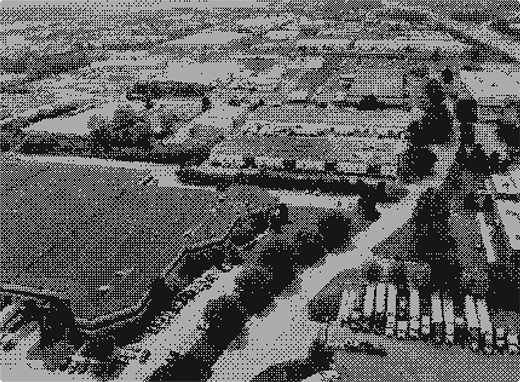
Bring in new datasets (from vendors, partners, or internal teams) using the geo IDs they already ship and crosswalk them instantly.

Plan and measure campaigns by the same boundaries you use for performance and attribution.
Compare locations consistently using the same hierarchy—from building footprint to market rollup.
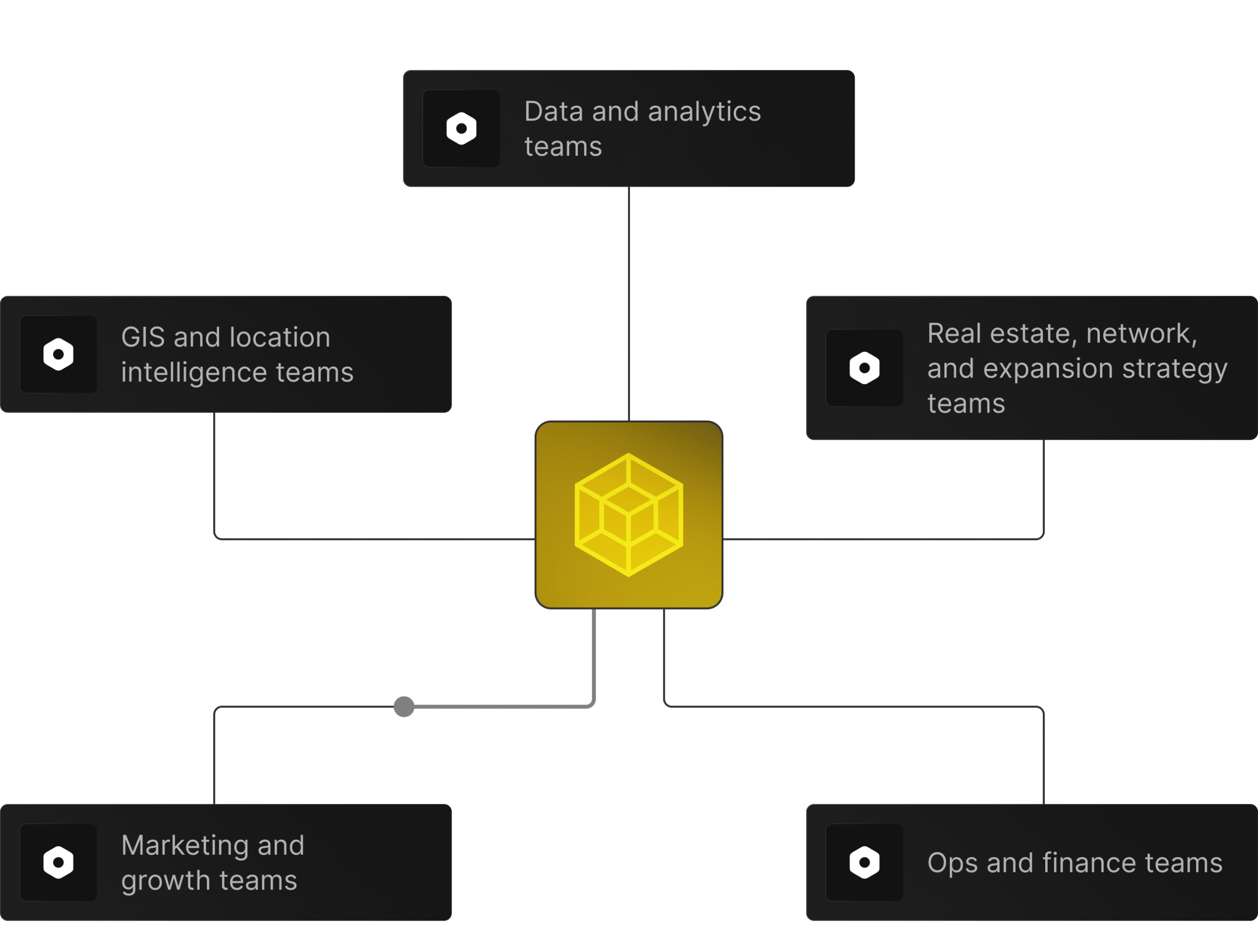
 Data and analytics teams building consistent reporting layersGIS and location intelligence teamsReal estate, network, and expansion strategy teamsMarketing and growth teams doing geo planningOps and finance teams who need comparable market views





Regions, states, counties, ZIPs, neighborhoods, custom territories—whatever your business runs on.

Align stores, branches, depots, or service areas to Geo so every future project is plug‑and‑play.
Use Geo as the shared foundation for reporting, planning, and modeling across the organization.
© 2026 Factori. All rights reserved.