
Make your forecasts match the real world.

Factori helps your team add real‑world context—movement, events, local economics, retail spend, and more into your existing demand models, so plans are less wrong and easier to trust.

Trusted by

Trusted by

Why demand teams use Factori

Most forecasts are built on history and internal data alone. That works until something in the world changes.

Factori gives you external datasets that explain why demand moves:

Fewer “unexplained” spikes and drops

Clearer signals for short‑term and medium‑term planning

Forecasts that make sense to operations, finance, and the field

Driving impactful decisions for the physical economy

Store & channel demand

Better daily and weekly forecasts for stores, e‑com, and delivery zones.

Labor & staffing

Smoother, more accurate staffing curves for QSR, retail, branches, and depots.
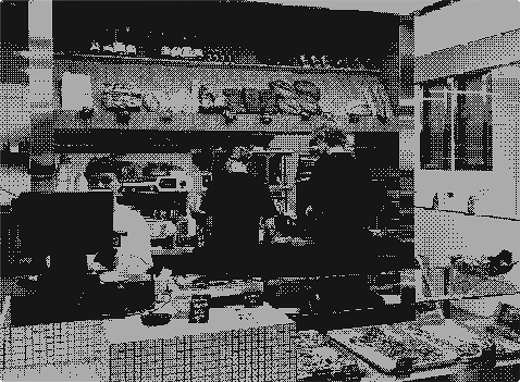
Inventory & replenishment

Tighter ordering and safety stock, especially in volatile or promo‑heavy categories.

Promo & campaign impact

A clearer view of what “normal” demand would have been vs. what actually happened.

The data that drives better predictions

Factori doesn’t replace your models. It feeds them with th.

Mobility

Mobility

How people move through the physical world—visits and patterns around stores, venues, and neighborhoods.

Places

Places

Clean, consistent details about stores, restaurants, venues, points of interest, and their surroundings.

People

People

Privacy‑safe consumer graph covering demographics, income bands, lifestyle and interest indicators.

Events

Events

Local events that move demand: concerts, sports, conferences, school calendars, public holidays, and more.

Retail Sales

Retail

Retail sales indicators by market and category to show where spend is rising or softening.

Market

Market

Search and commerce signals: which brands, products, and categories are gaining attention across markets.

How teams use our data for forecasting

Add external signals to existing models

Keep your current demand engine, but feed it better inputs.

Benchmark and explain forecast error

When you miss, see if events, traffic, or local economics were part of the story.

Segment locations by sensitivity

See which stores or regions react more to income, events, mobility, or promo.

Build playbooks, not just models

Turn recurring patterns (“rainy Saturdays”, “concert nights”, “new competitor opens”) into simple rules the business can understand.
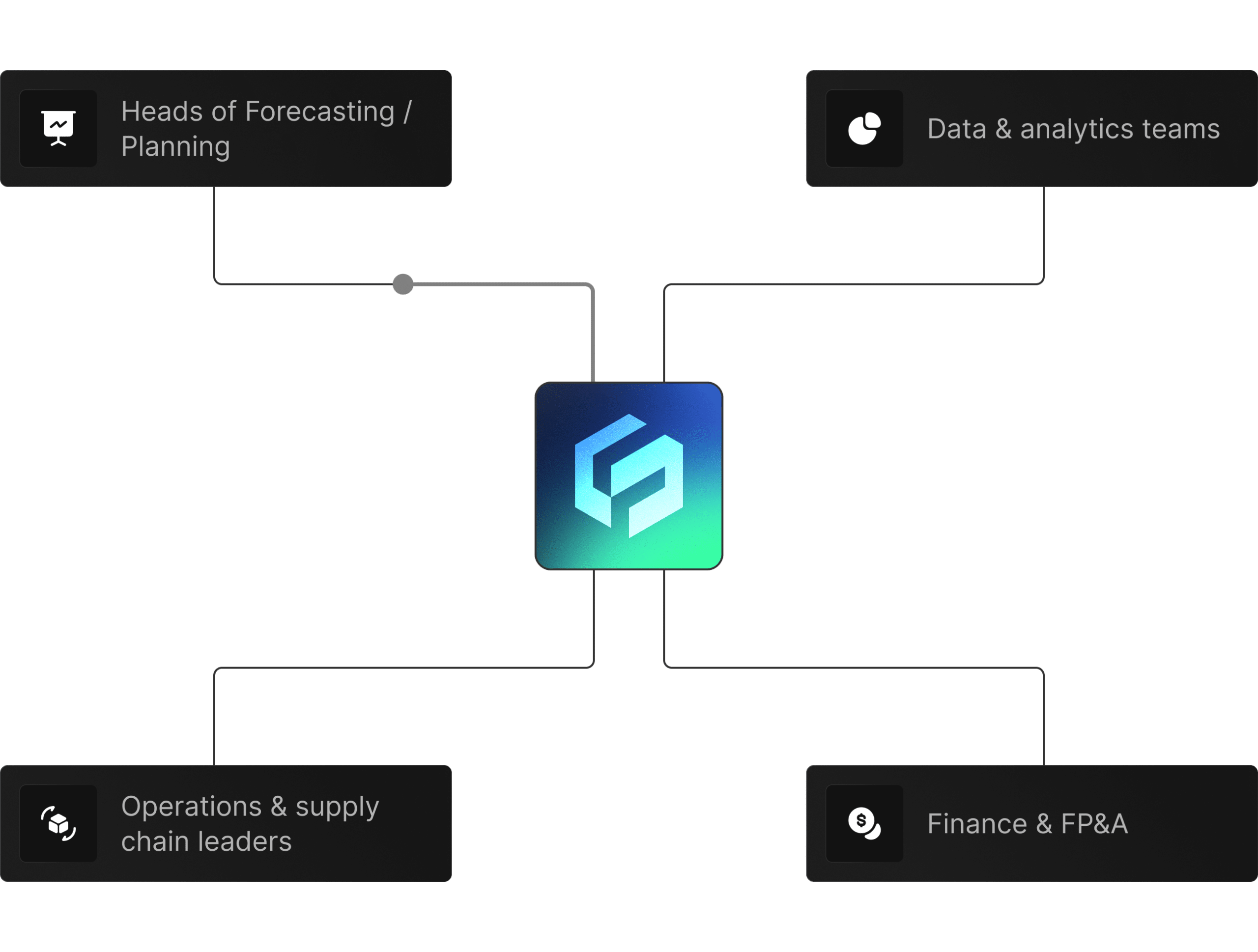
Used by leading planning & data teams

Heads of Forecasting / Planning

who need error down and trust up.

who want clean external data without months of wrangling.

who run staffing, stock, and service levels.

who need plans grounded in what’s really happening in markets.

Pick a pilot scope

50–200 locations or a few key regions, plus 1–2 KPIs (demand, labor, stockouts, etc.).

Choose the datasets to test

For example: Mobility + Events + Economic for QSR, or Retail Sales + Market + People for CPG.

Run a side‑by‑side forecast

Compare your current approach to “current + Factori data” and review the lift and explanations.